A Beaut Labour Weekend on Rakino

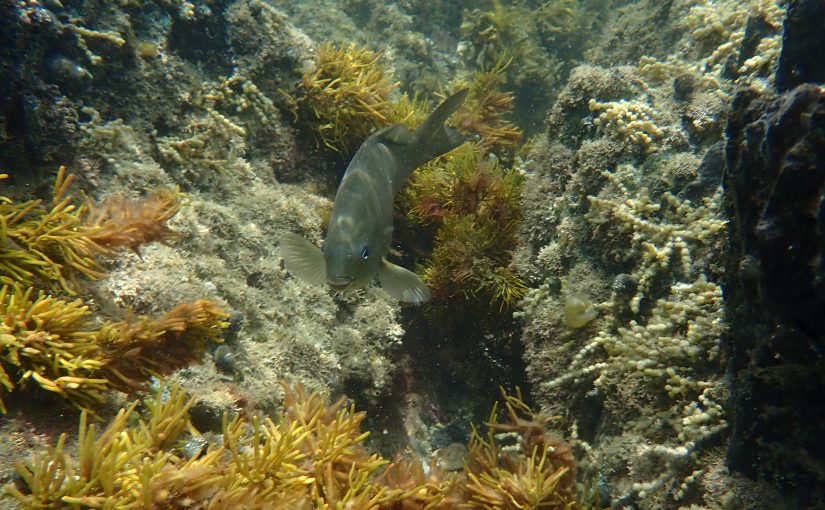
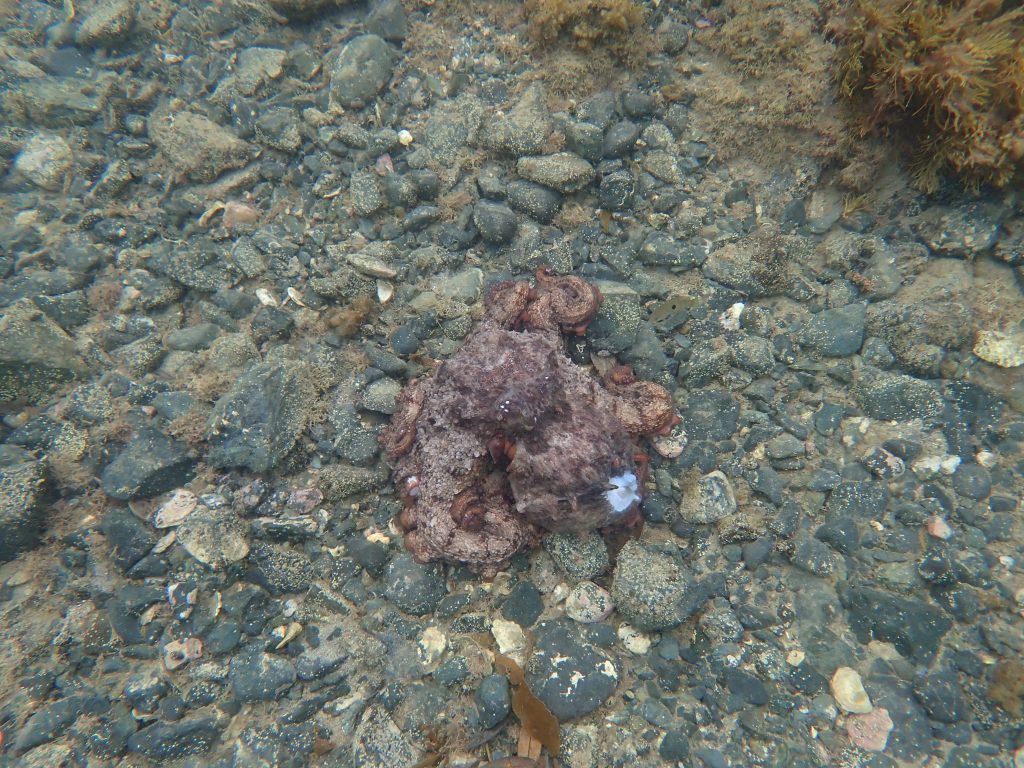
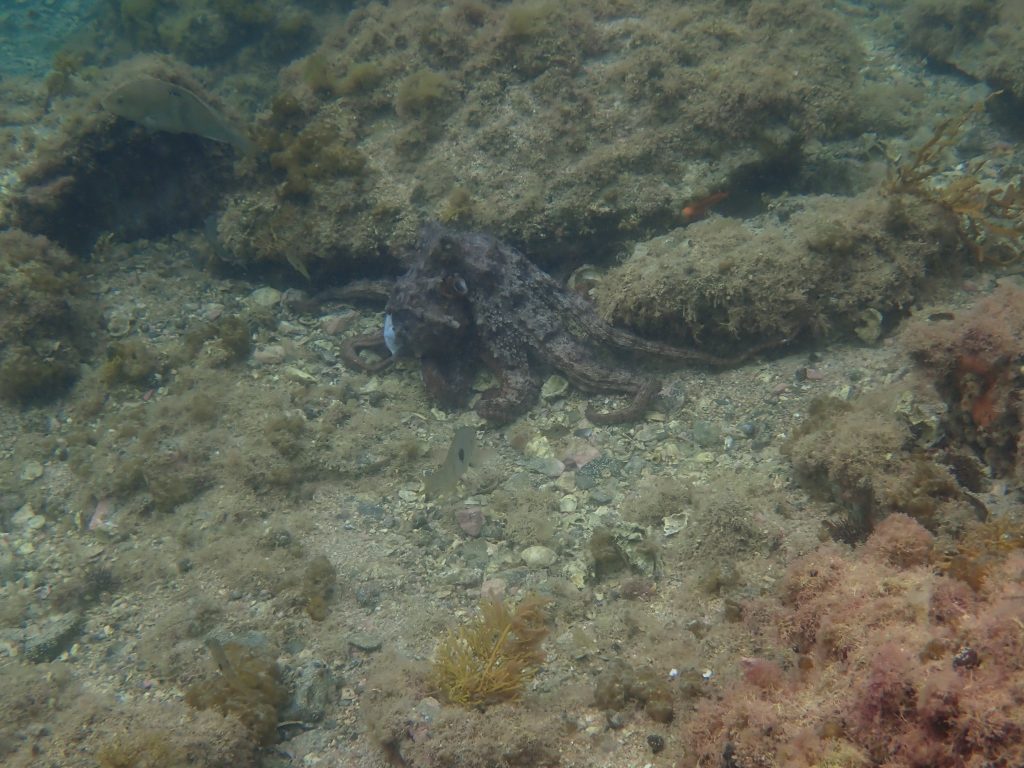
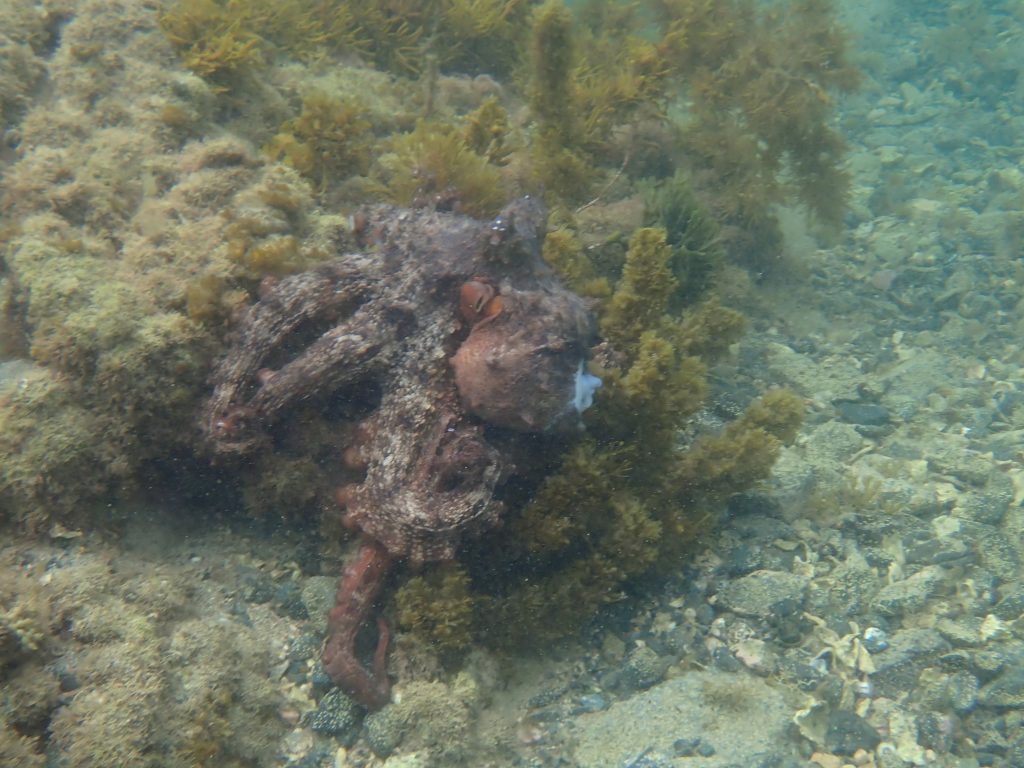
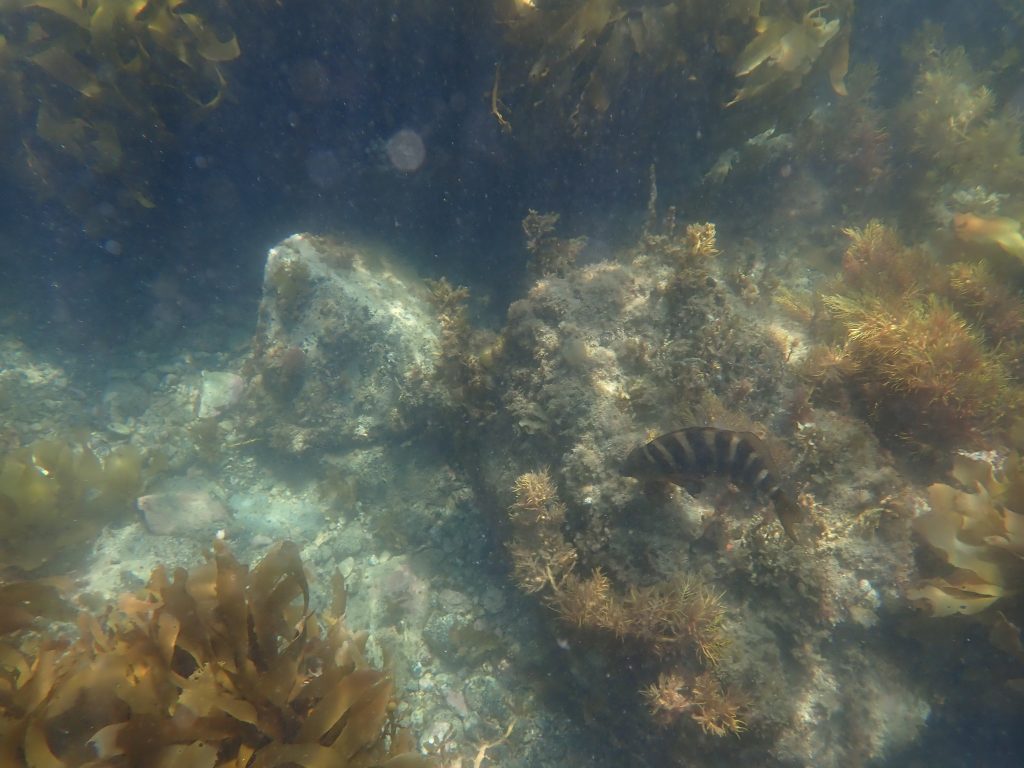
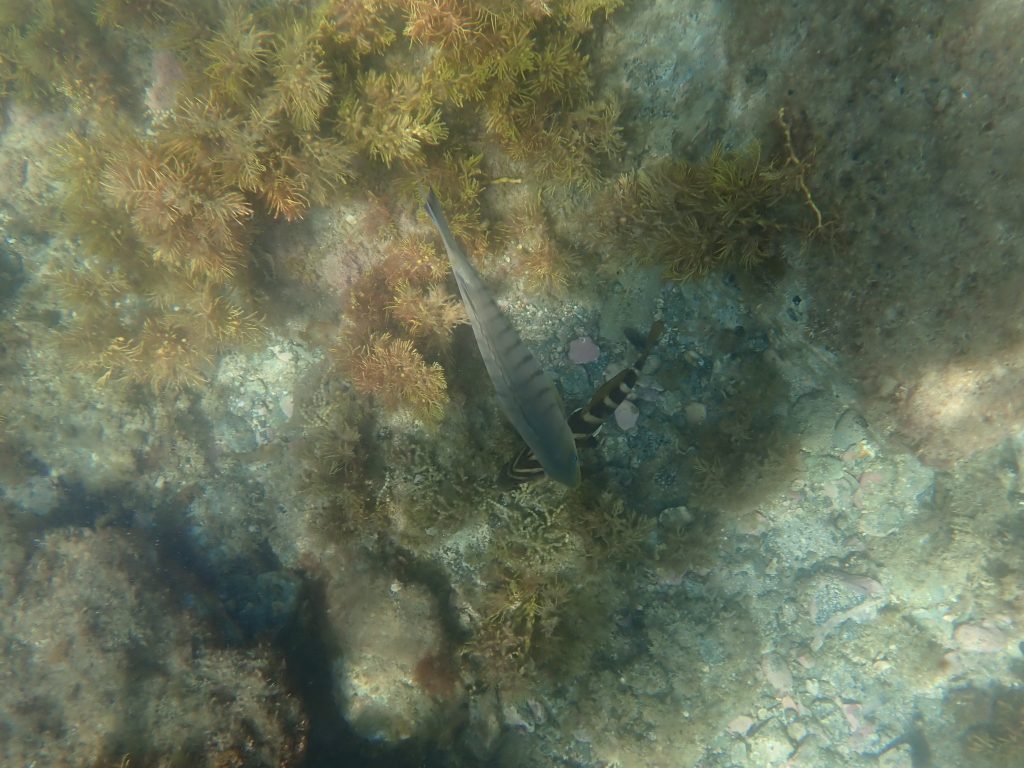
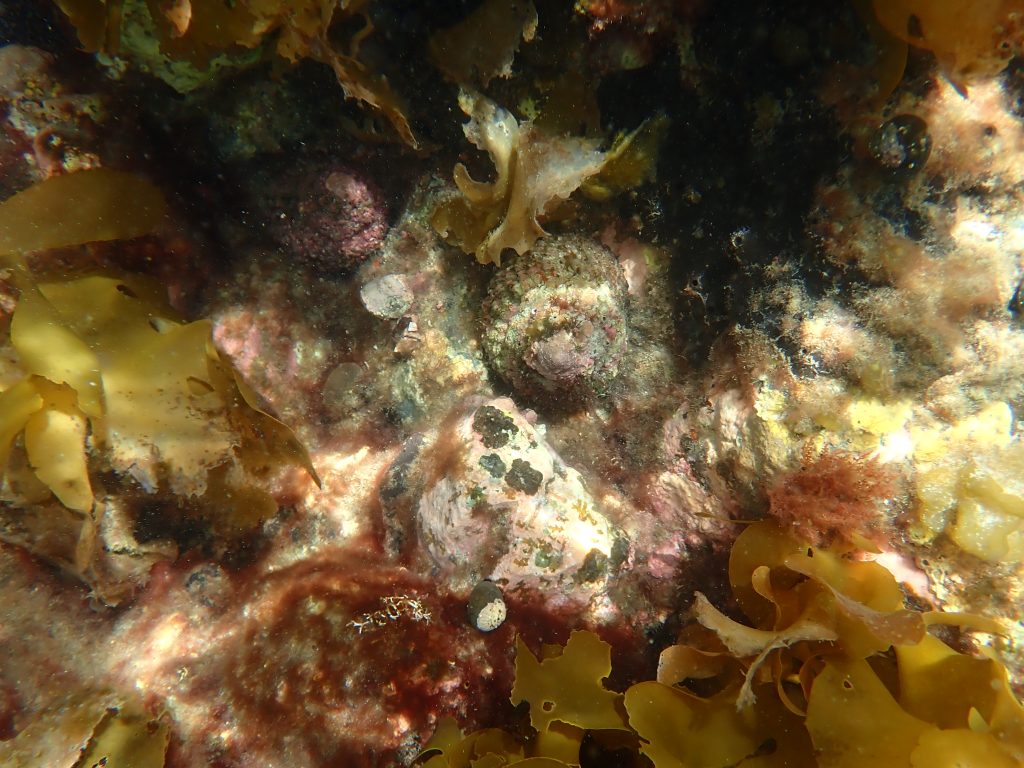
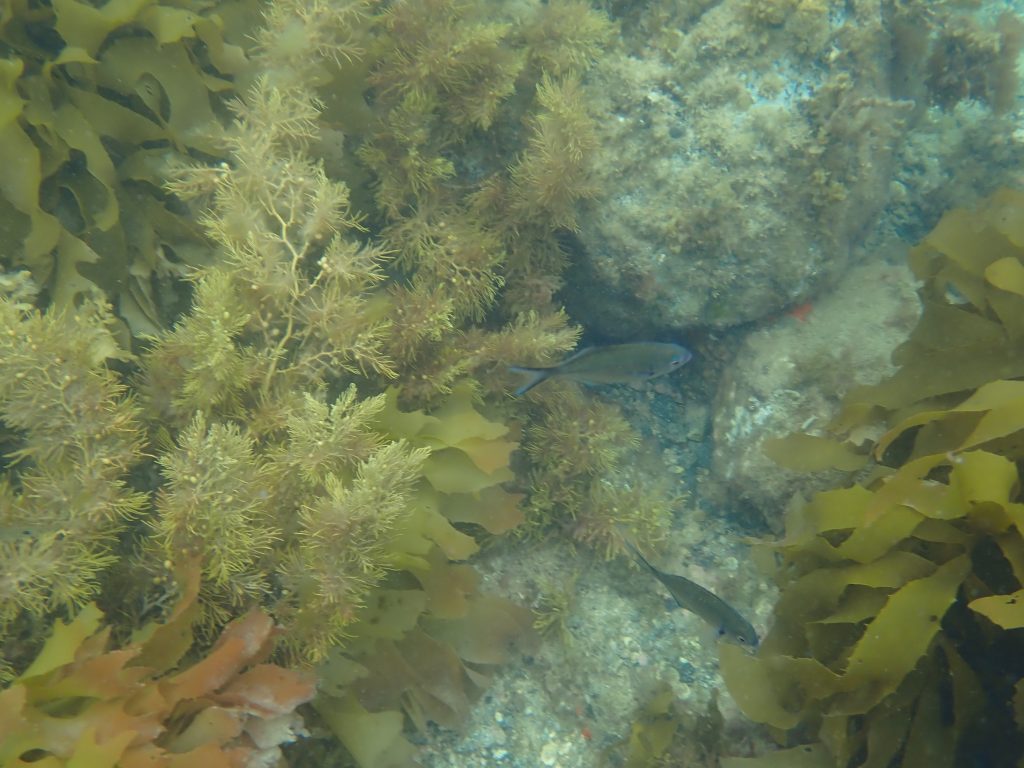
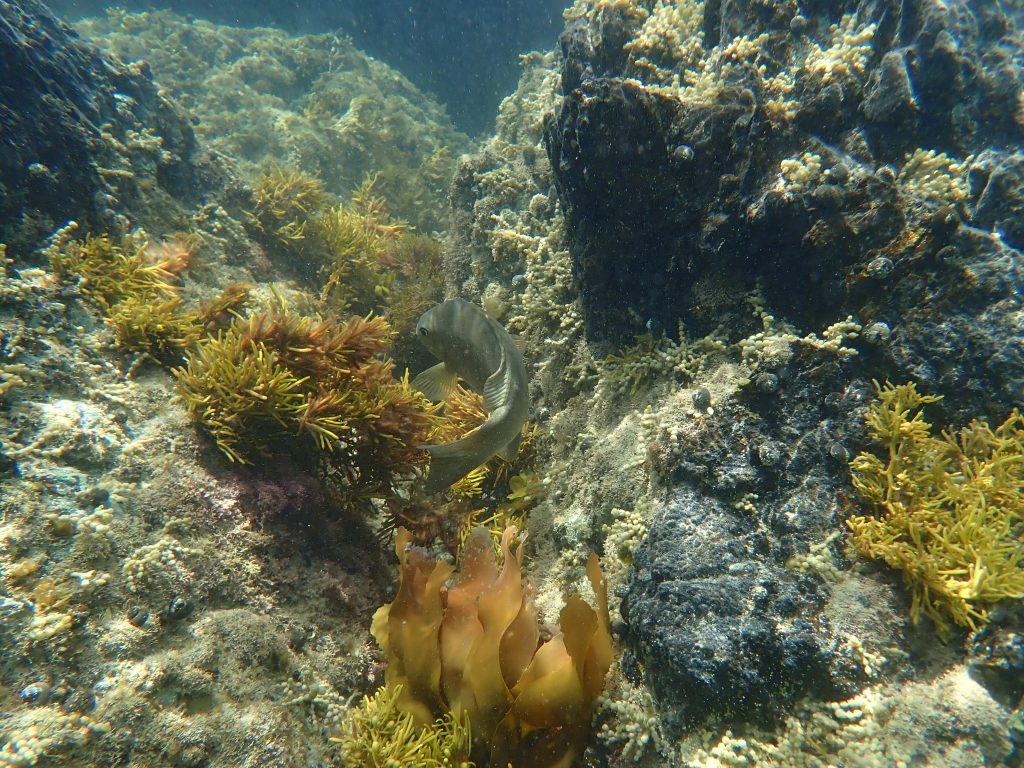
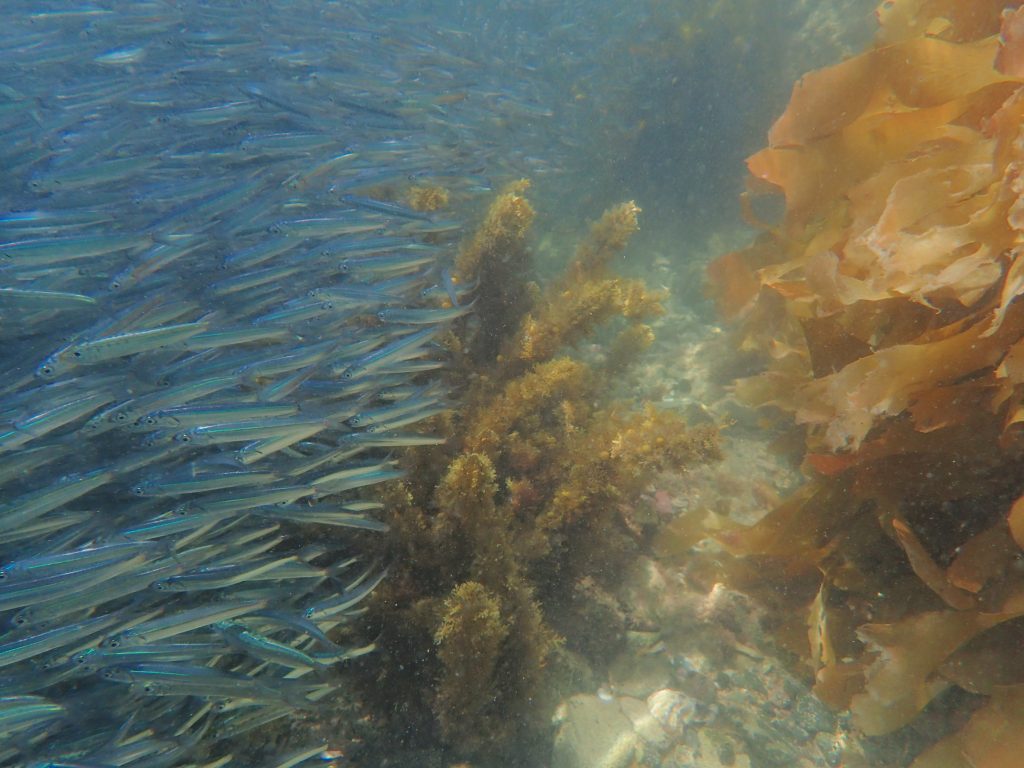
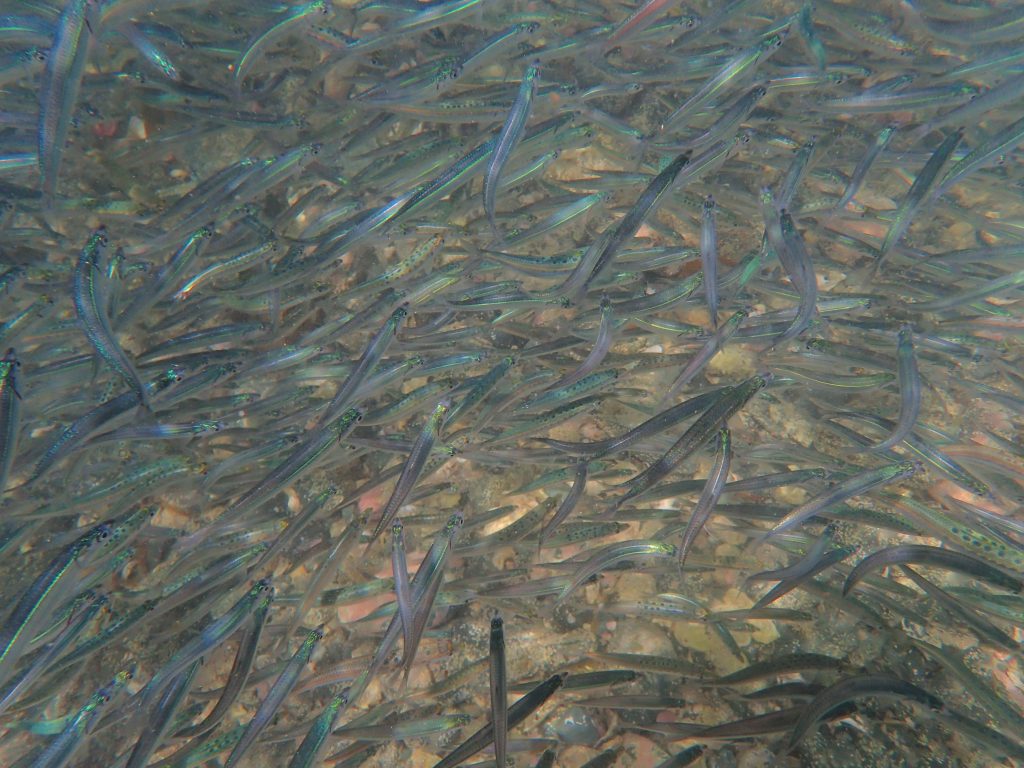
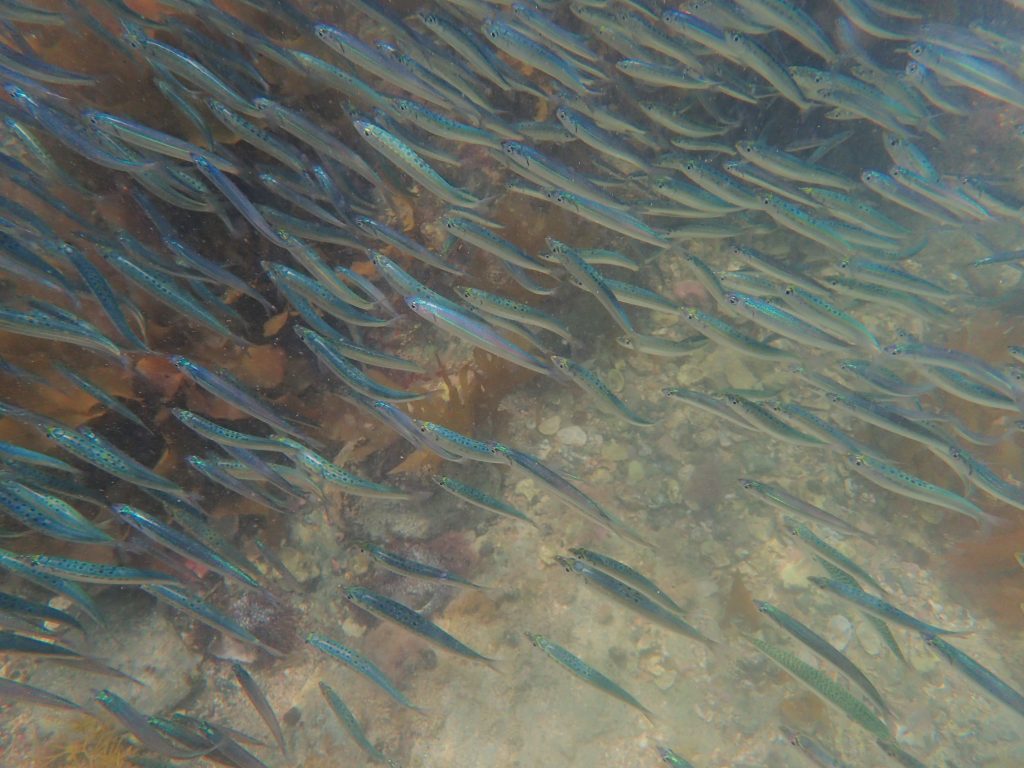
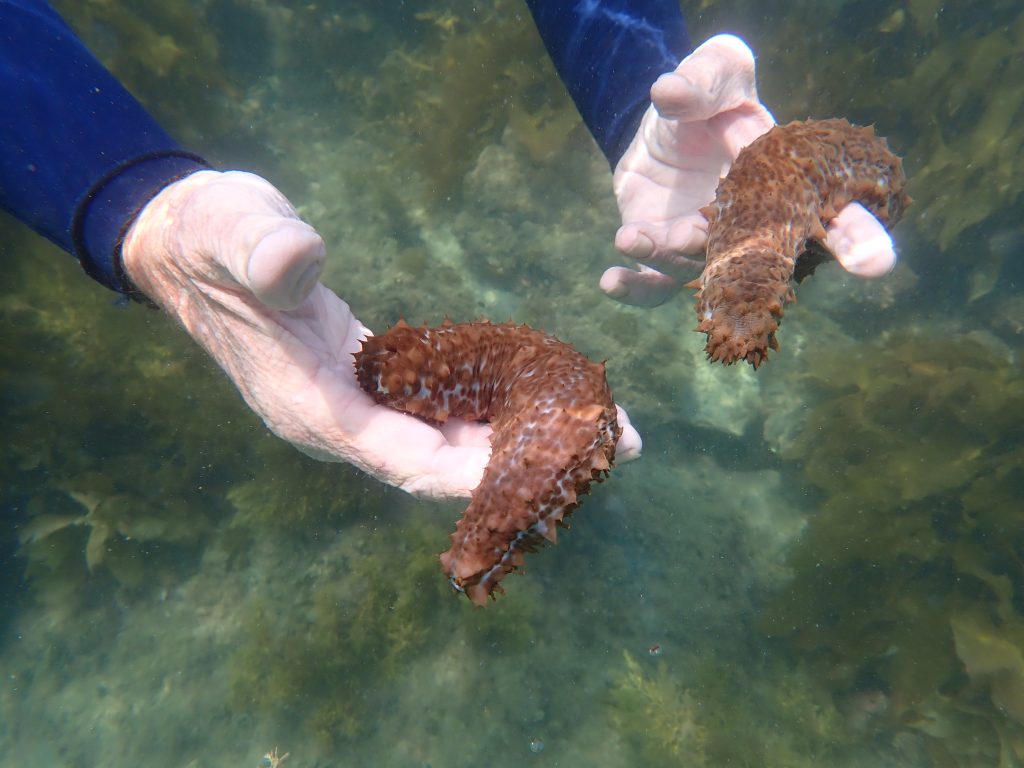
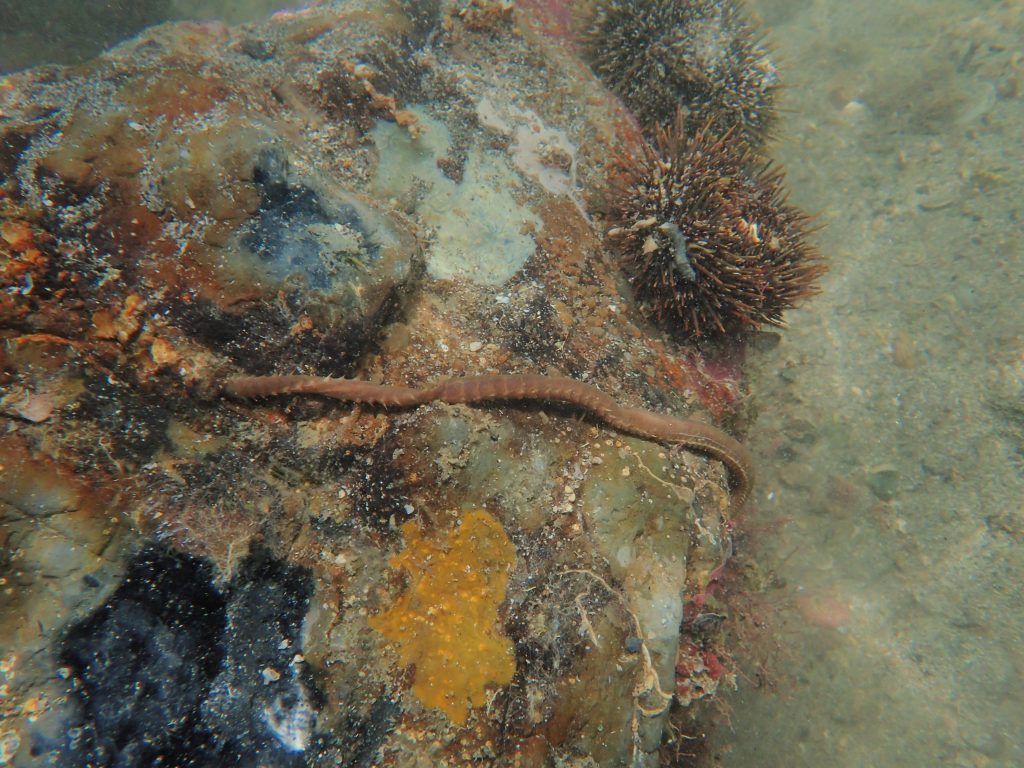
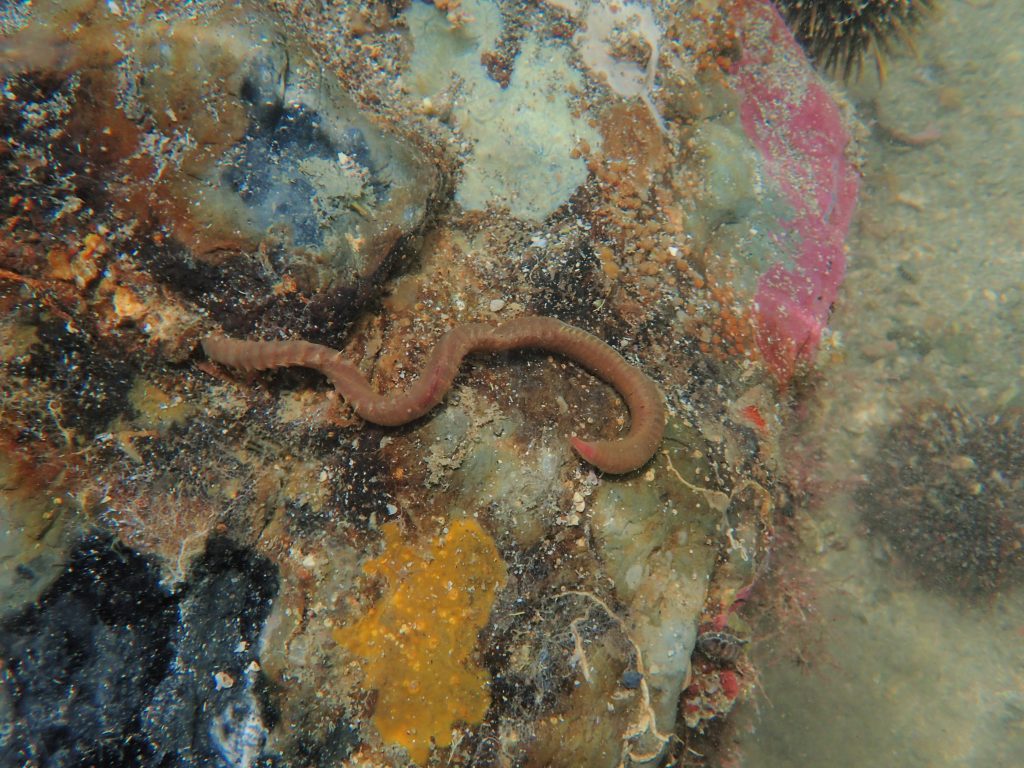
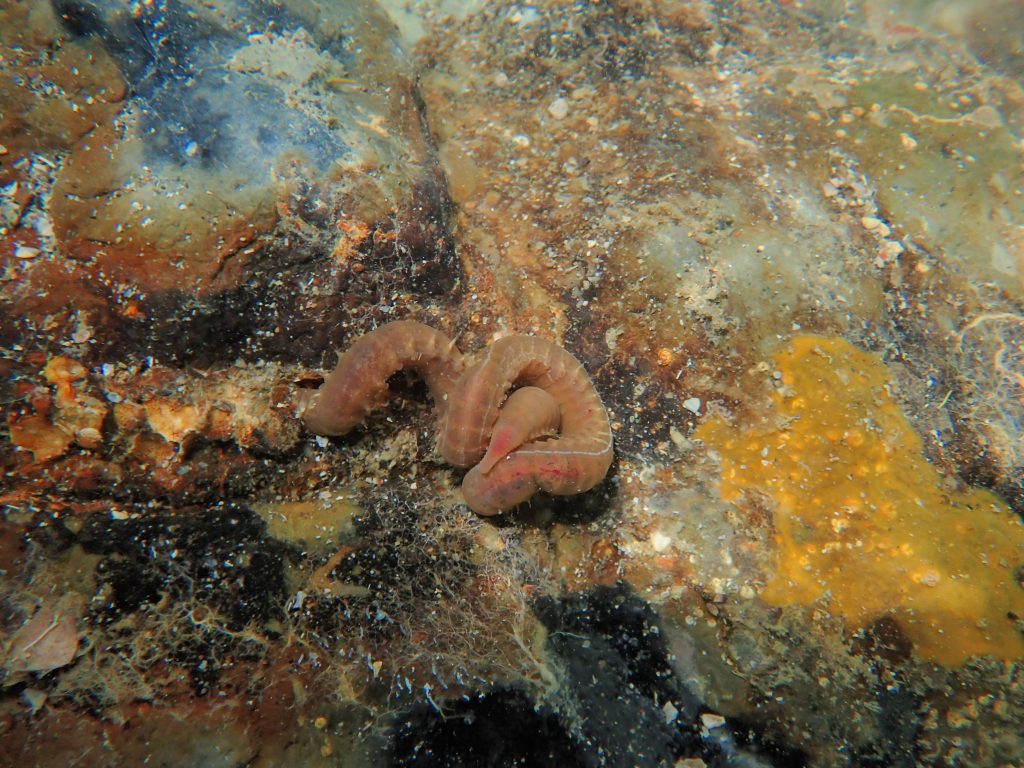
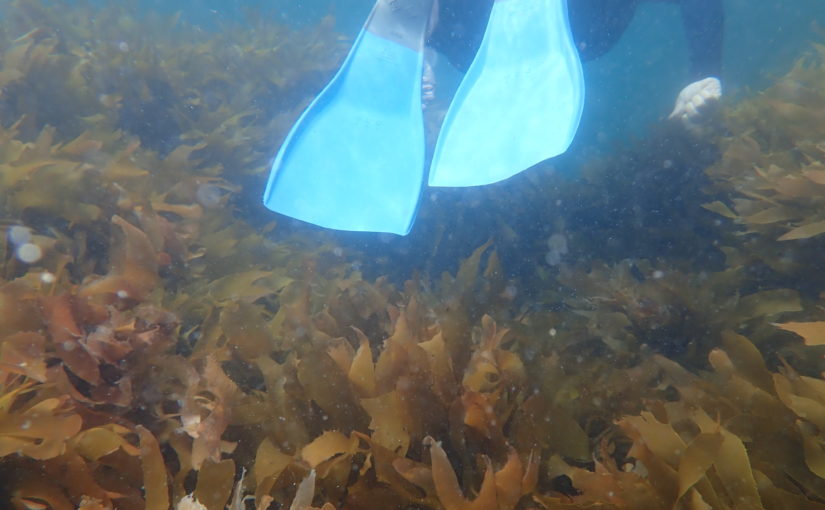
Better weather than forecast made for three days of excellent snorkeling followed by two days of rock scrambling around the coastline. Here are a few images from snorkeling at MGB… Our kina collection timing was almost but not quite perfect as we were a couple of days out with regard to the full moon, but the kowhai is flowering, and the tide was low. They tasted pretty good!
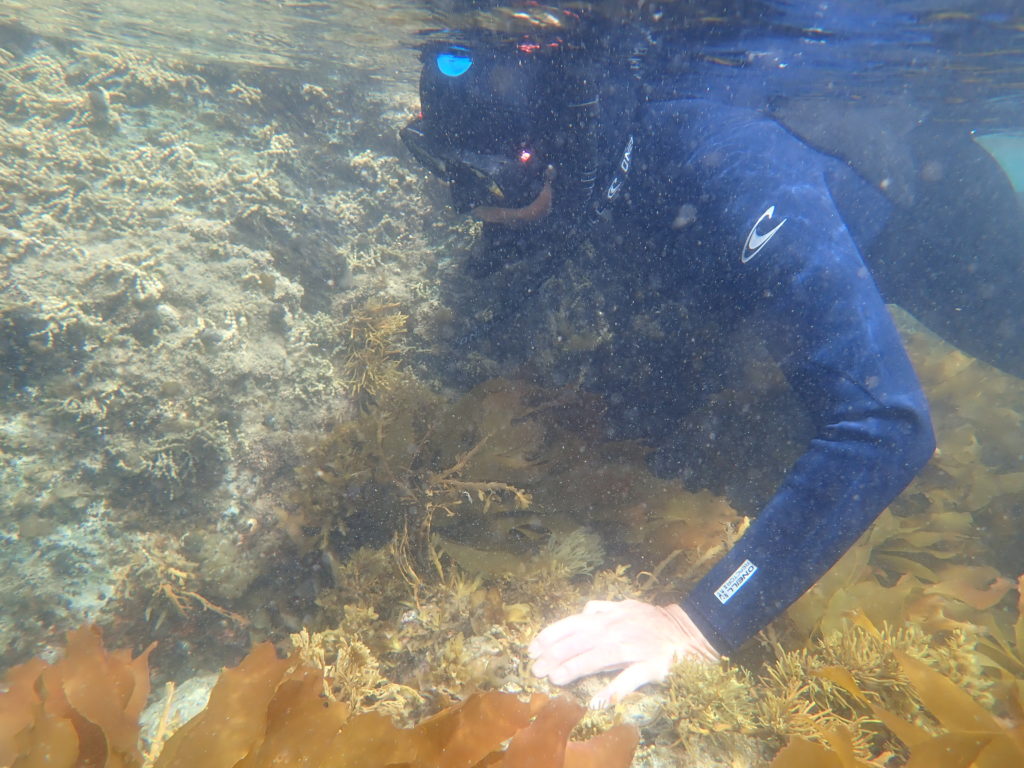
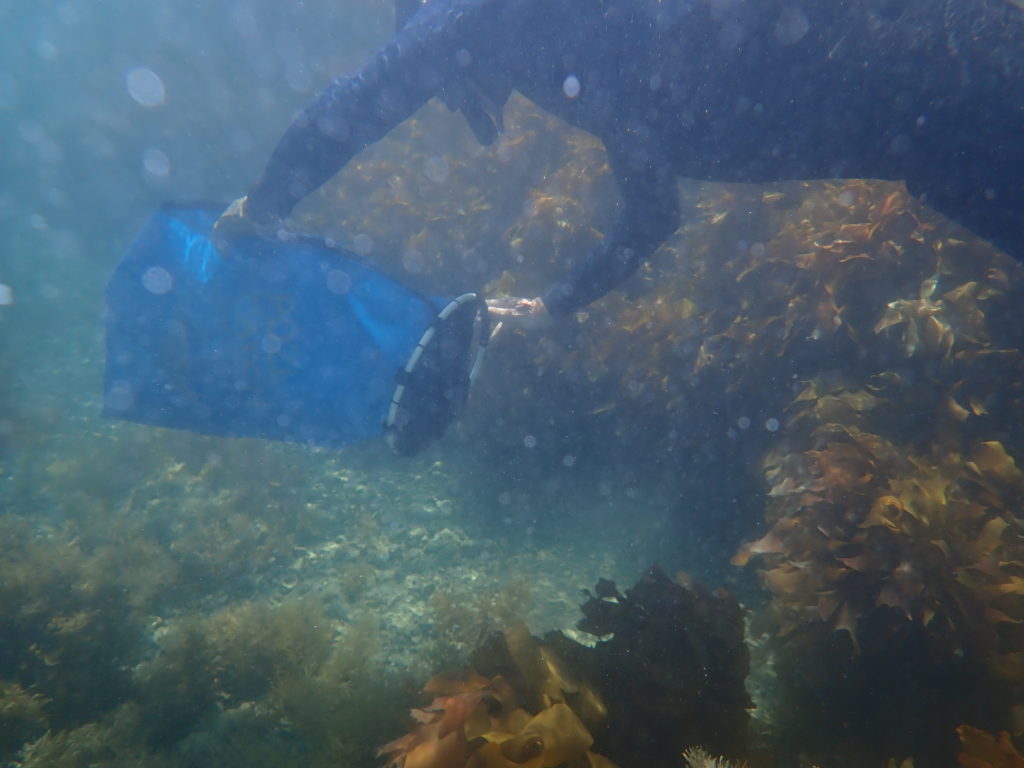
Simon searching for fat juicy kina.
Success! An excellent kina collection storage device..
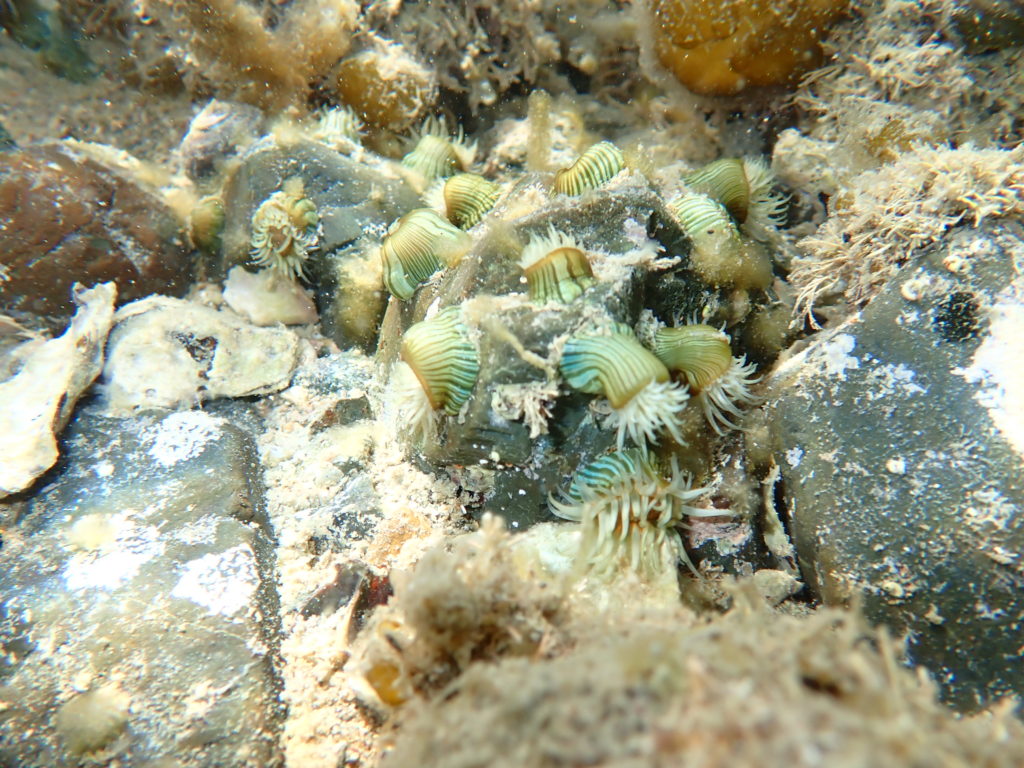
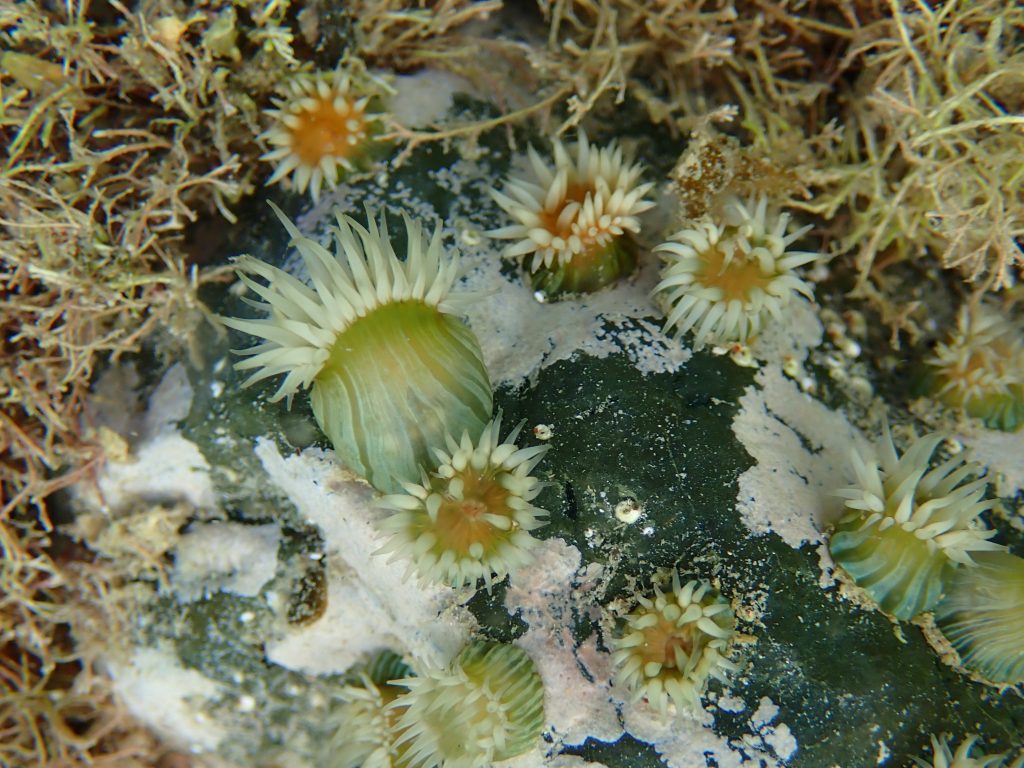
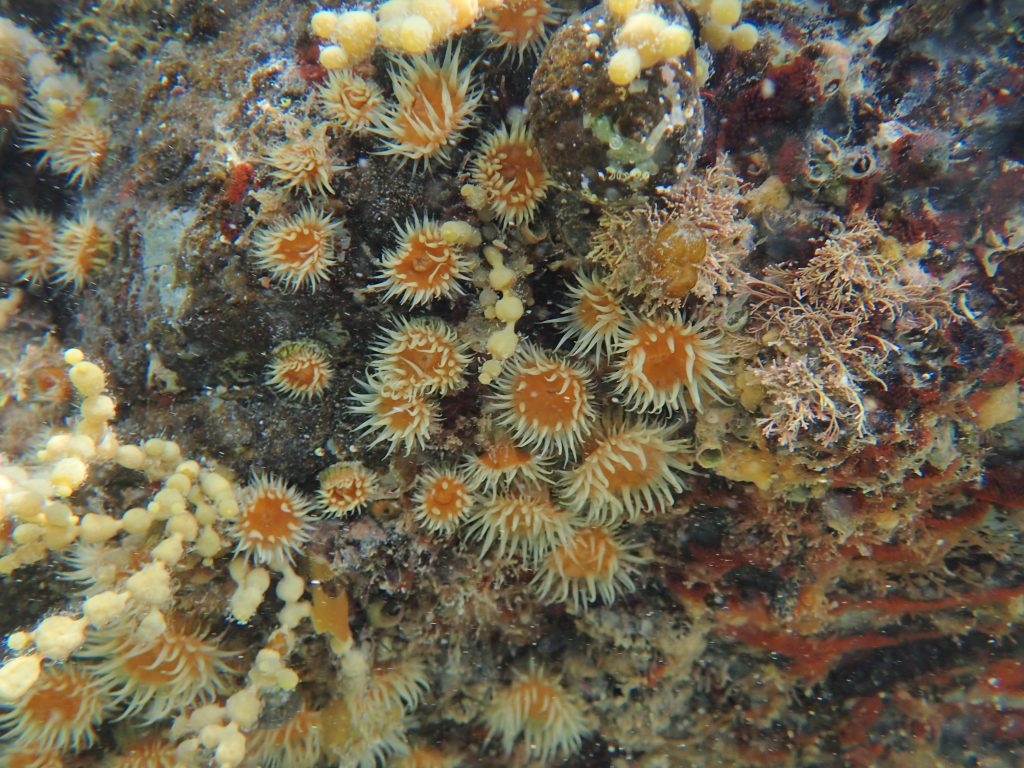
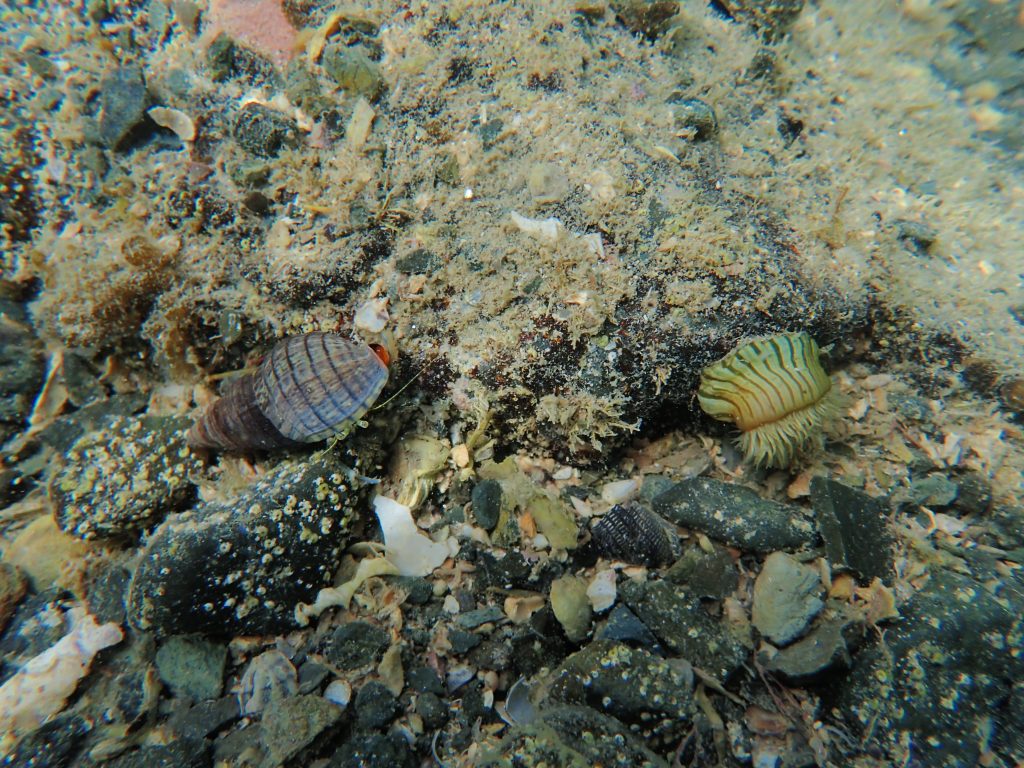
White striped anemones head-banging in the turning tide.
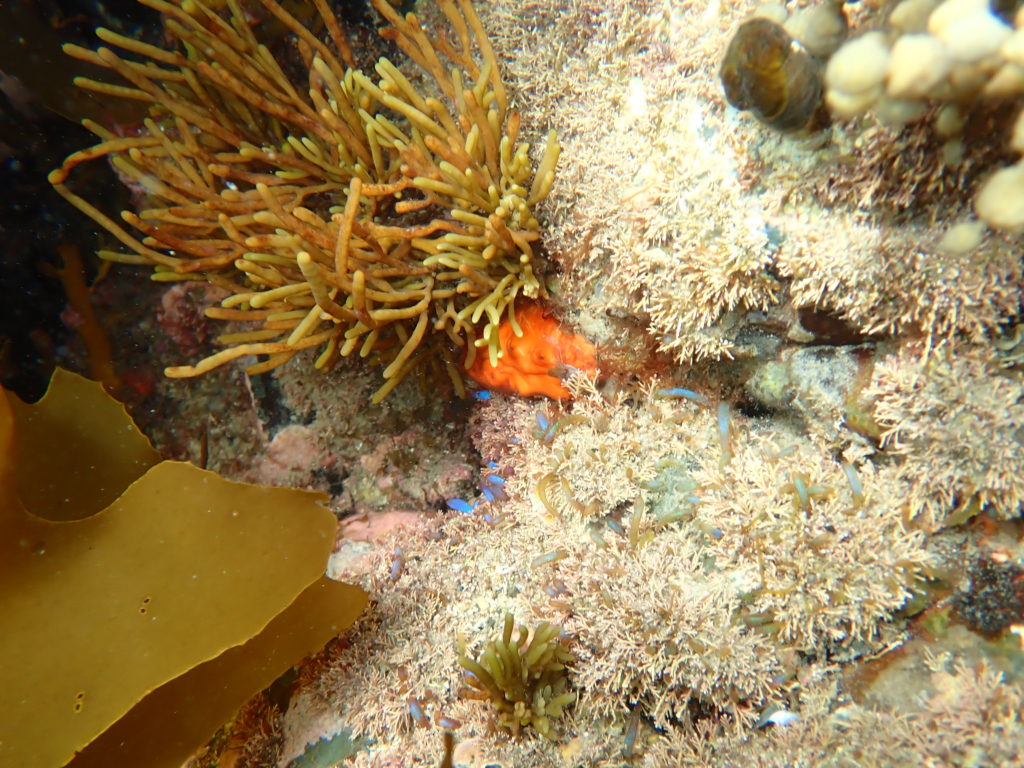
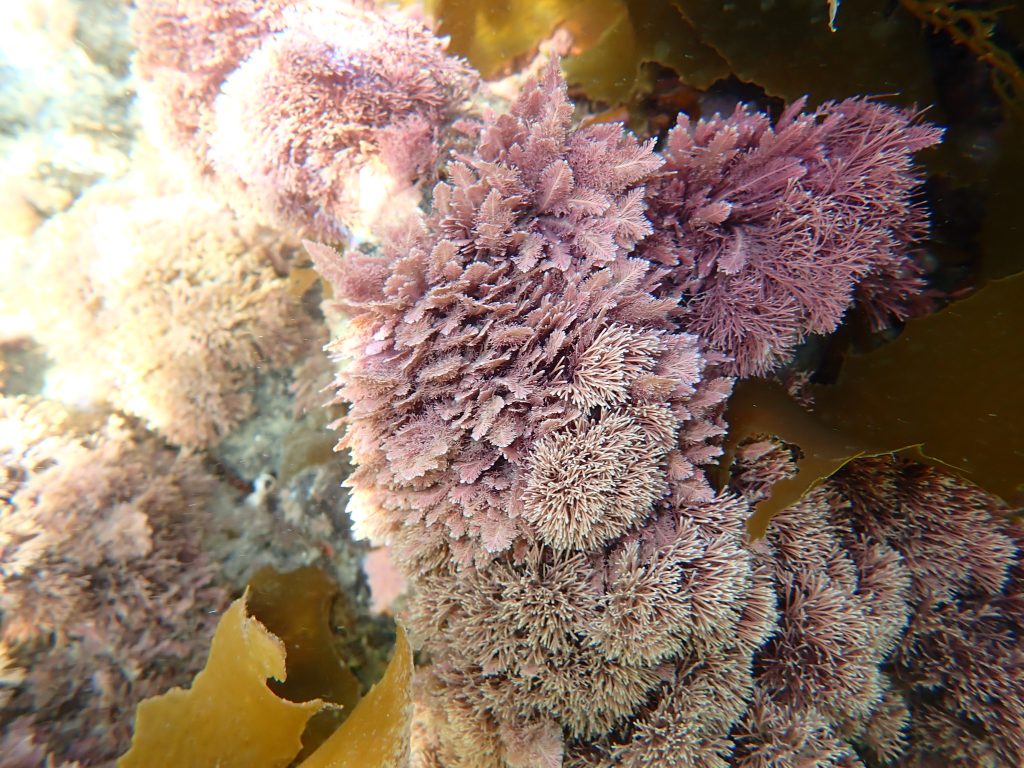
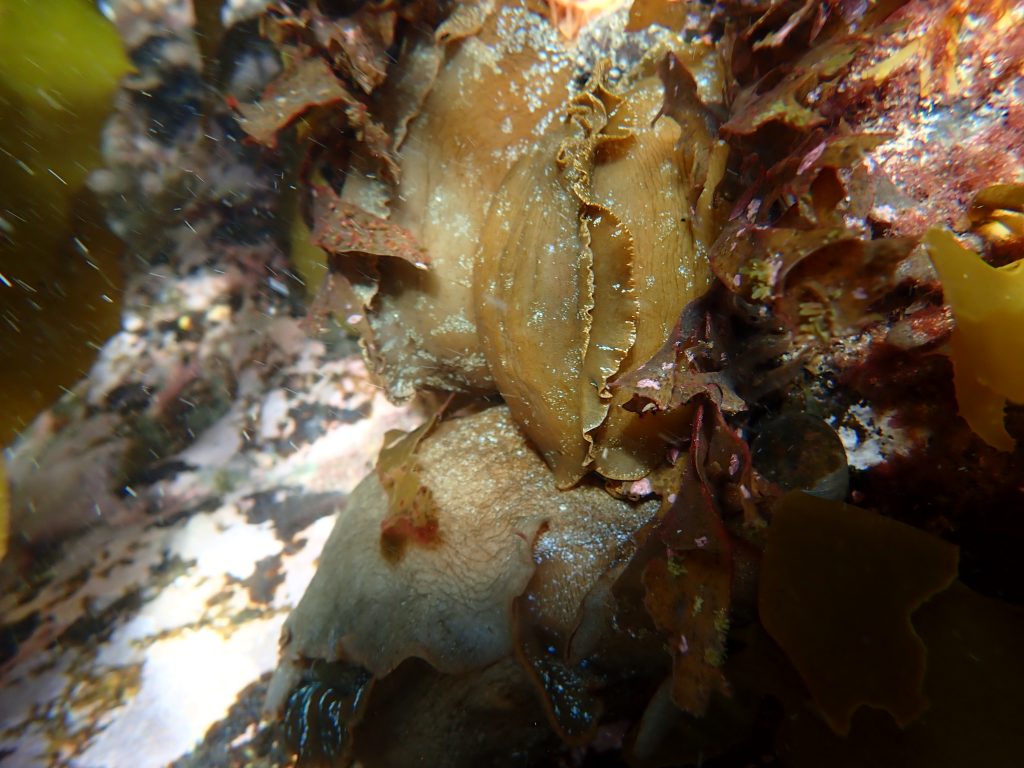
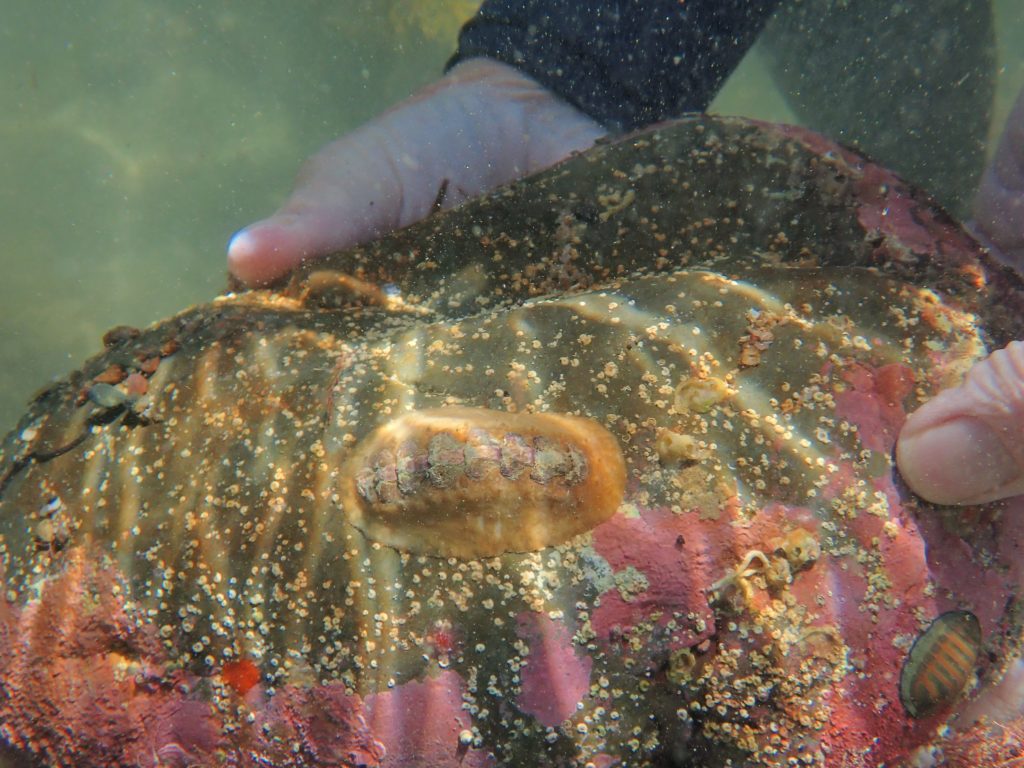
A huge butterfly chiton in amongst a tiny patch of champia laingii seaweed.
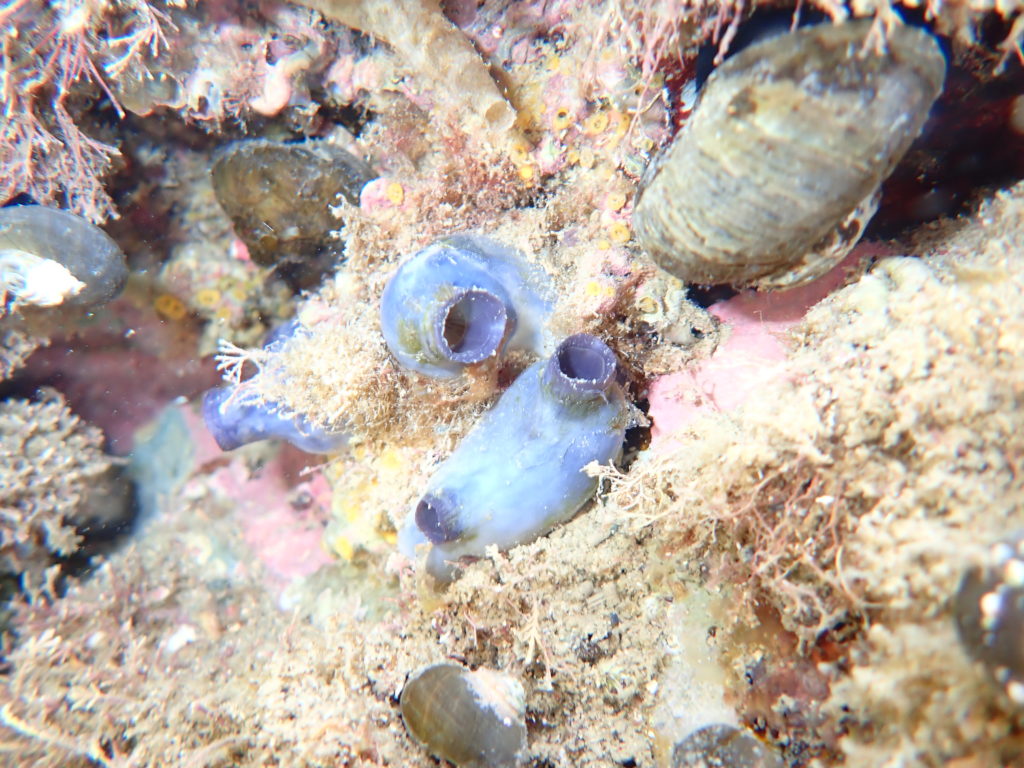
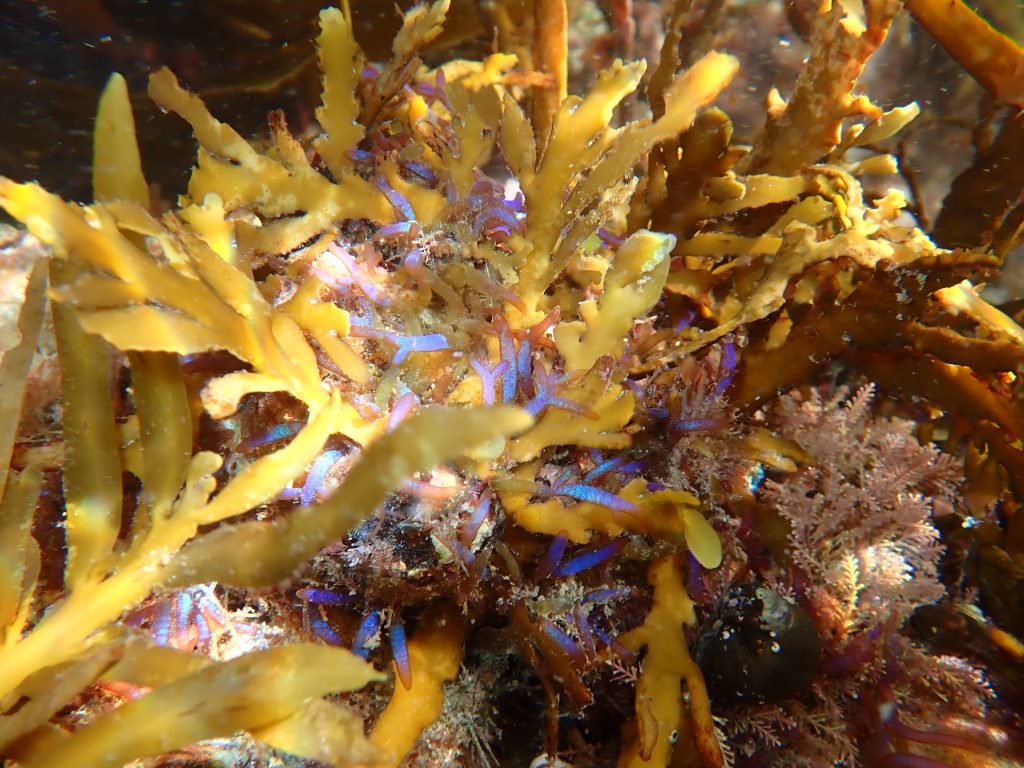
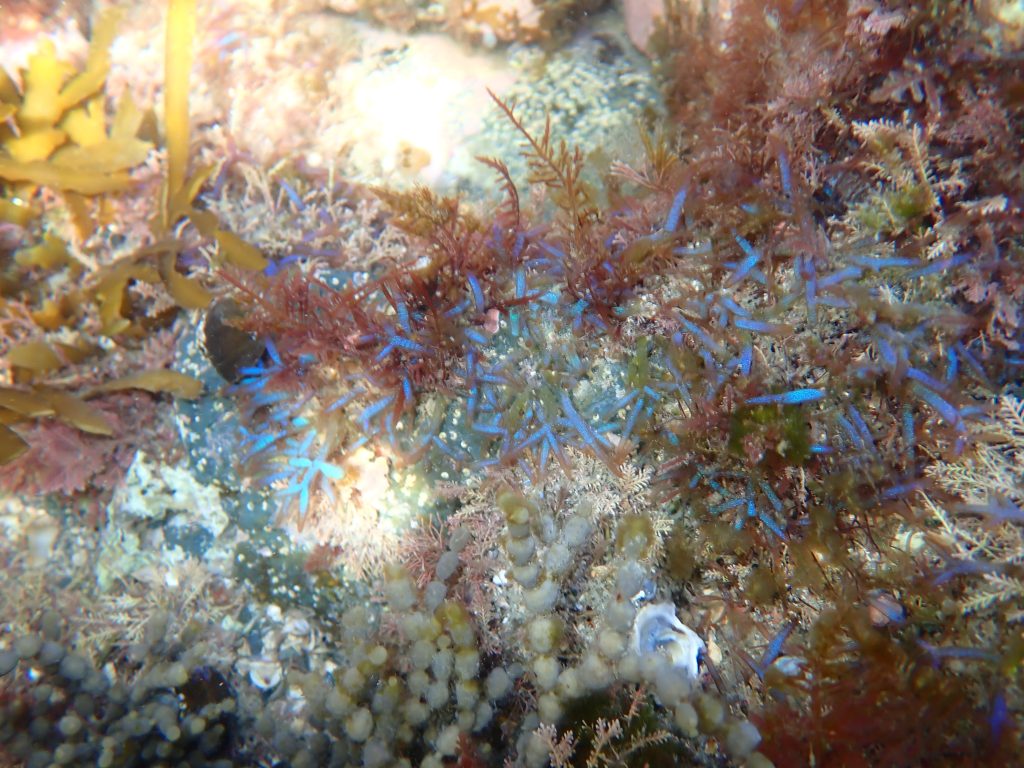
Blue siphon sea squirts.
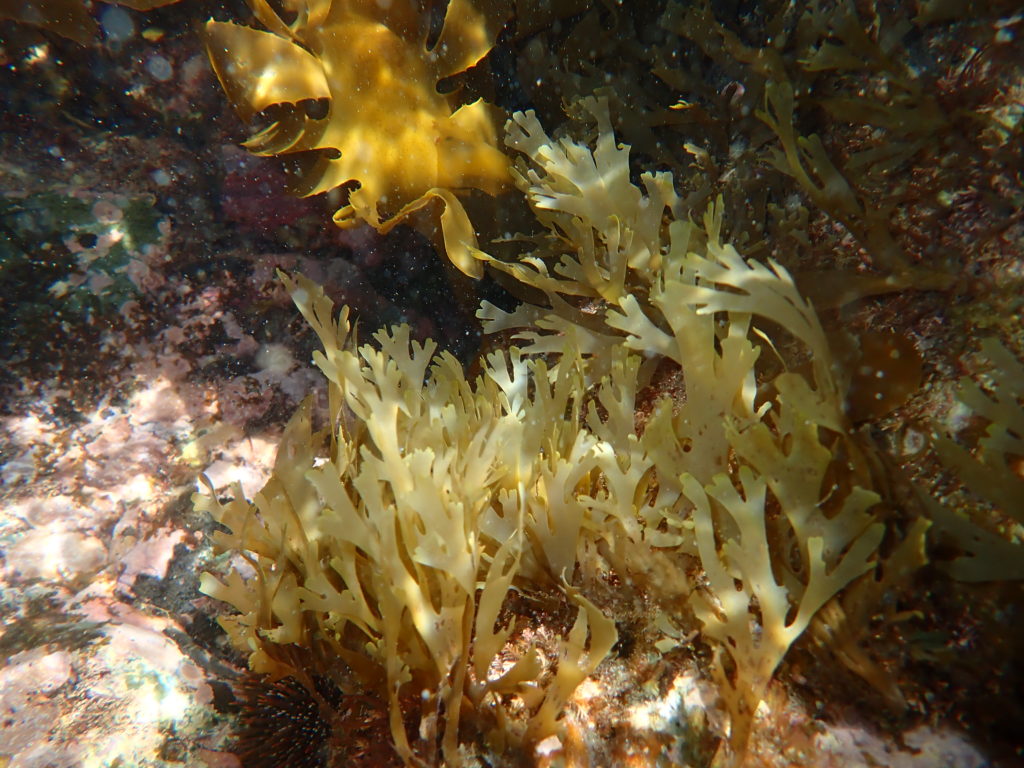
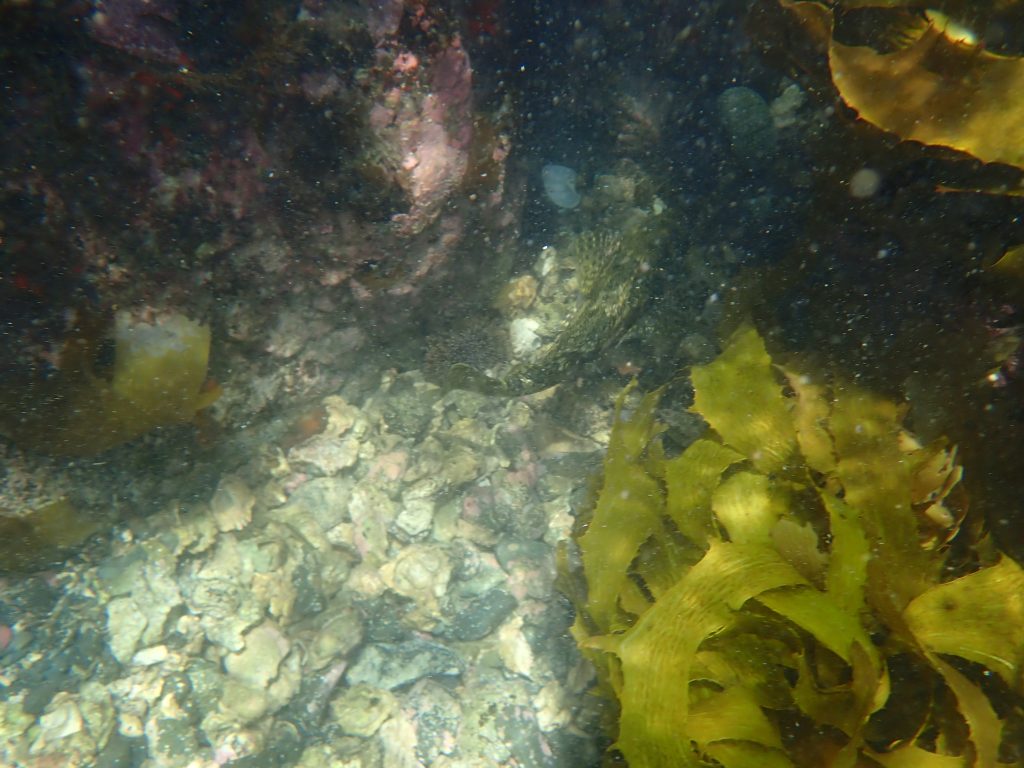
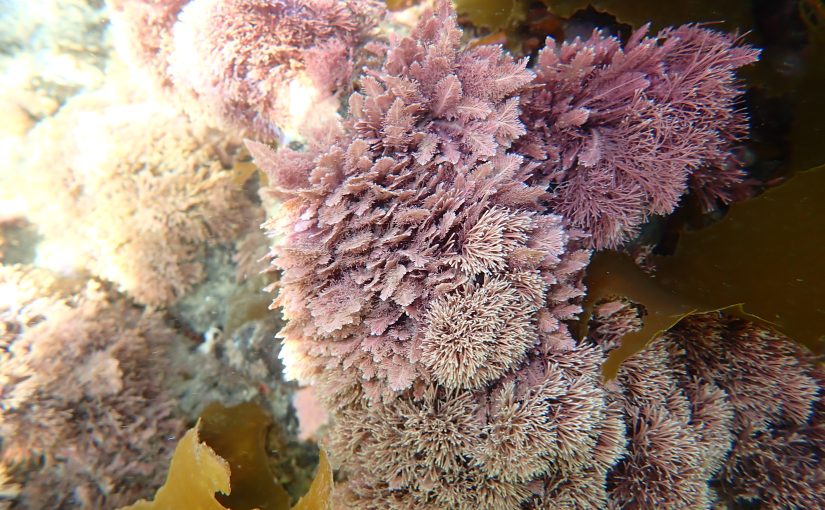
A selection of seaweed.
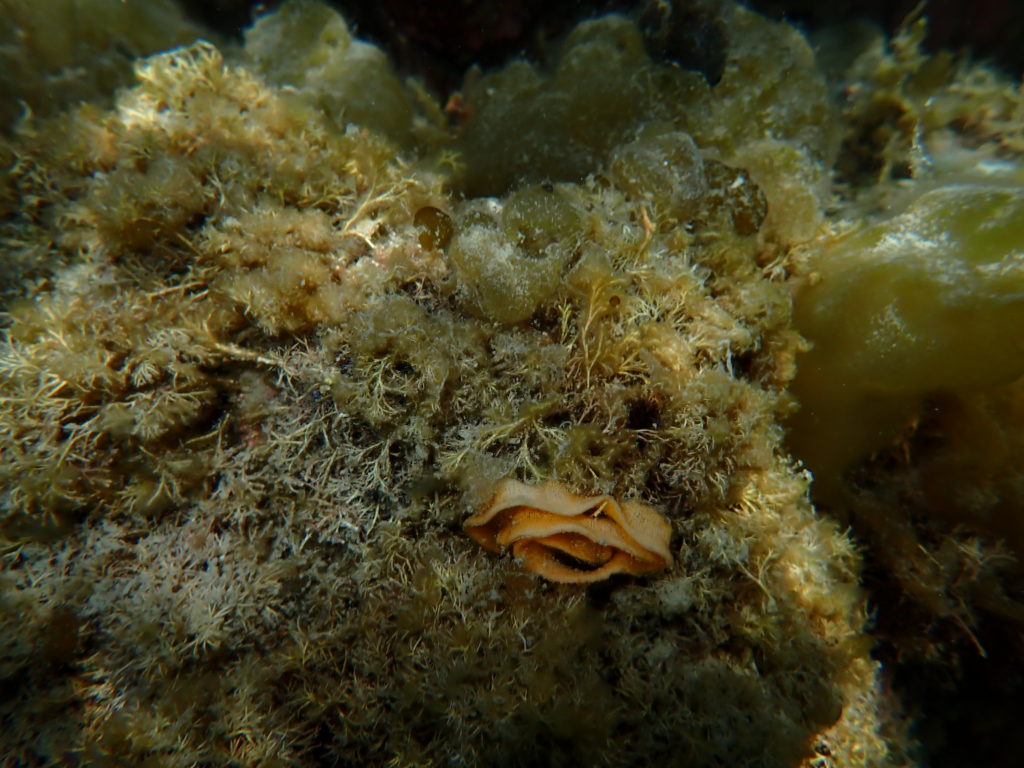
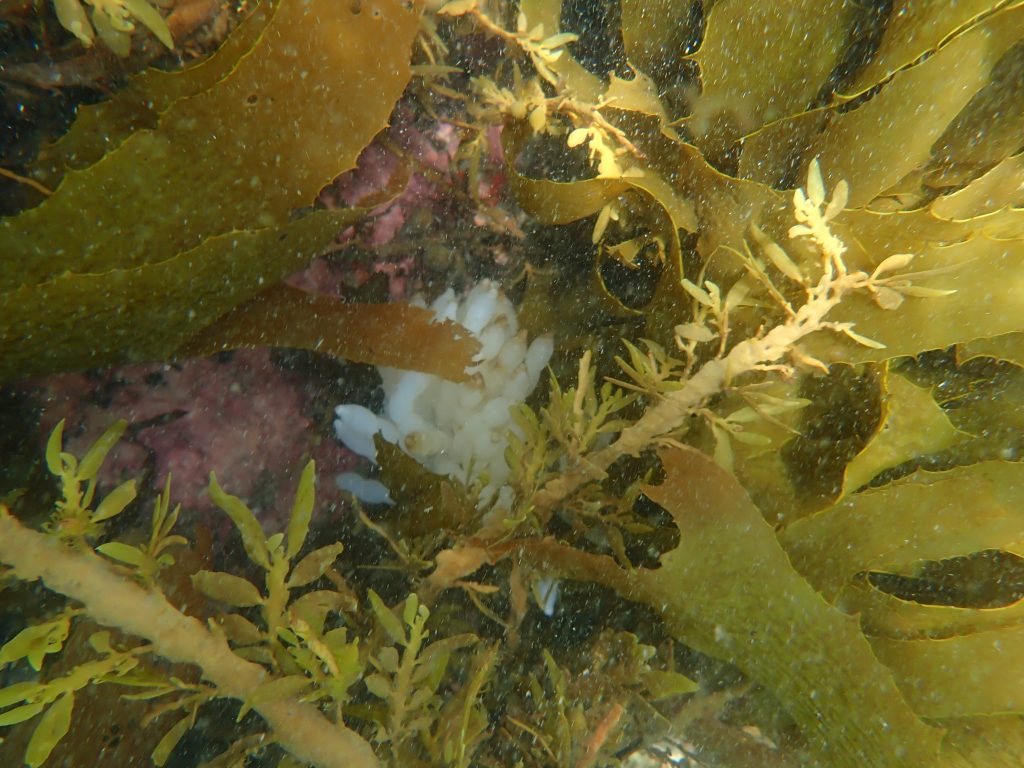
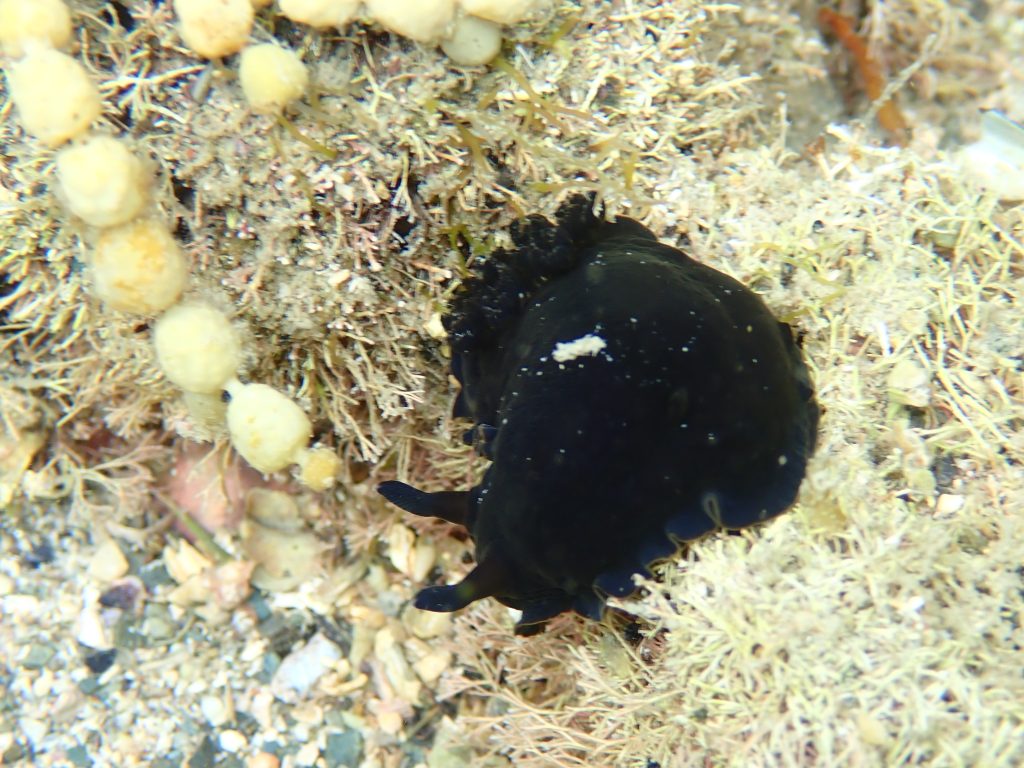
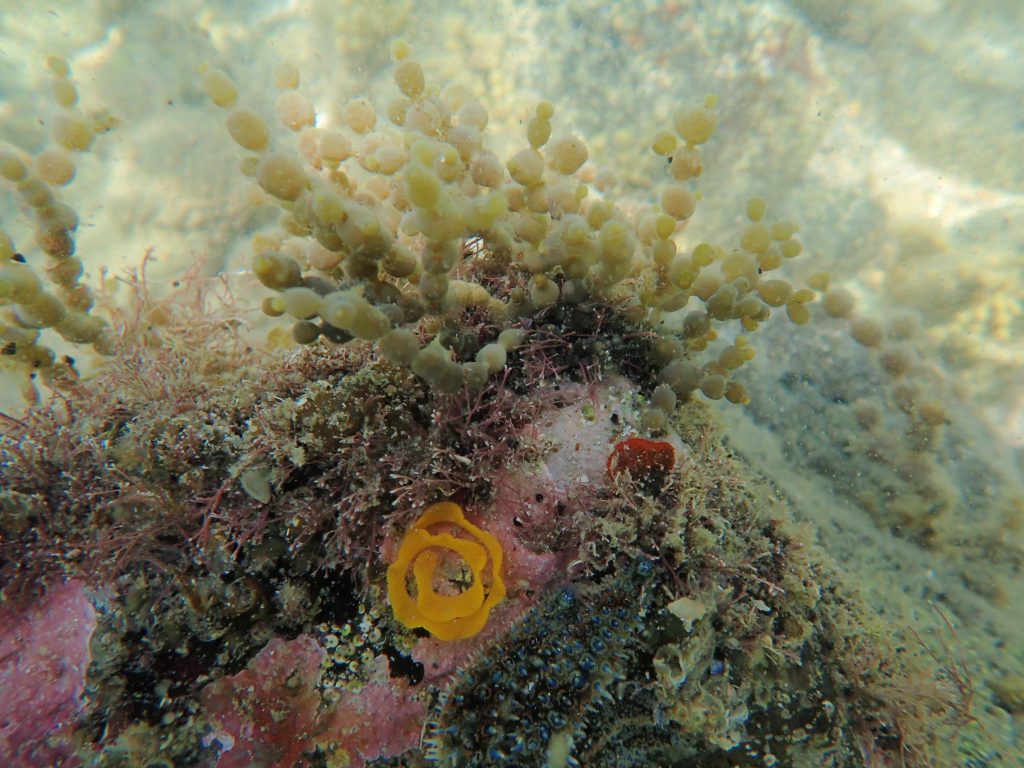
The egg ribbon of a nudibranch.
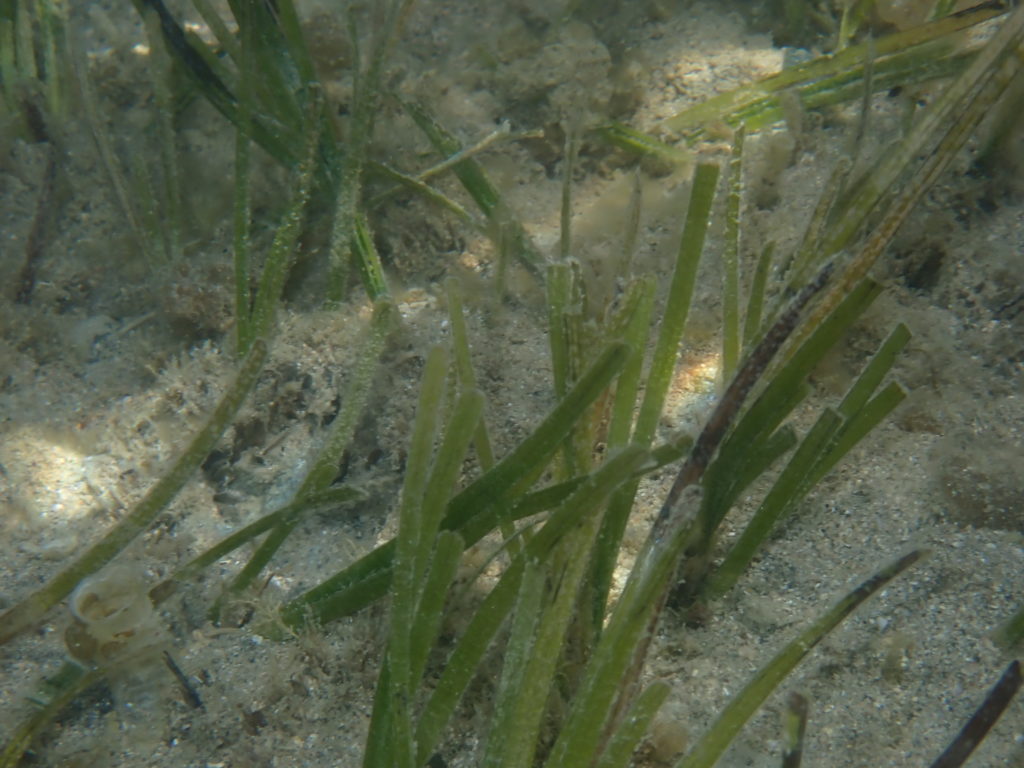
Nana, also known as karepō, or eel grass, found in a small quantity at Sandy Bay.

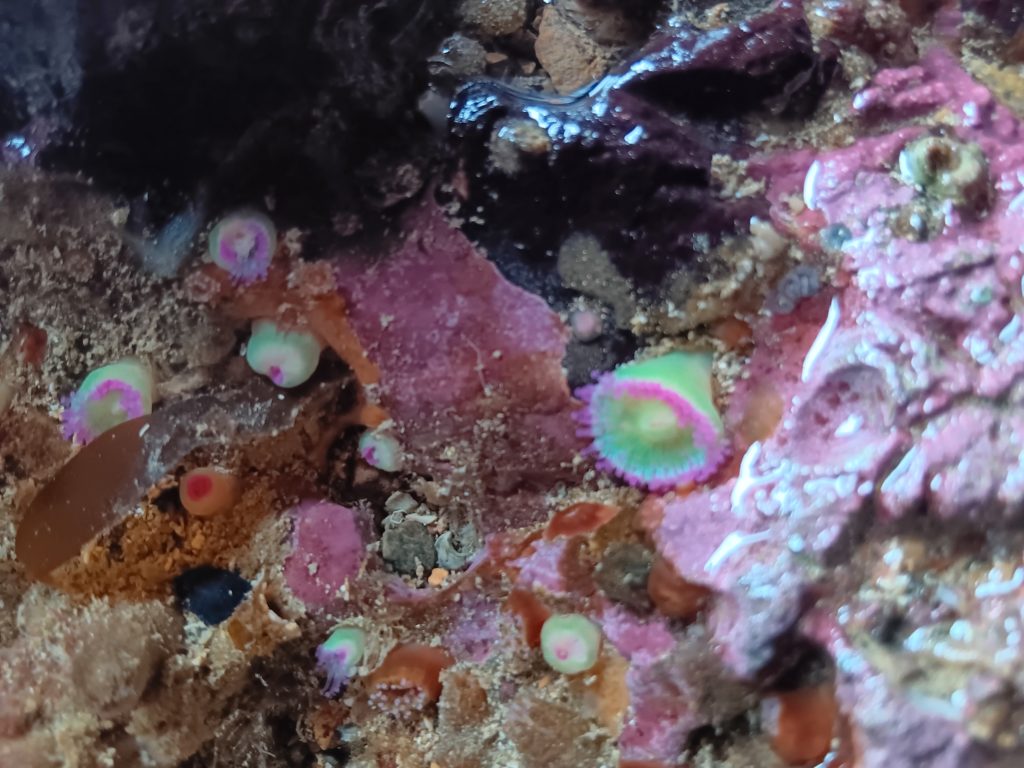
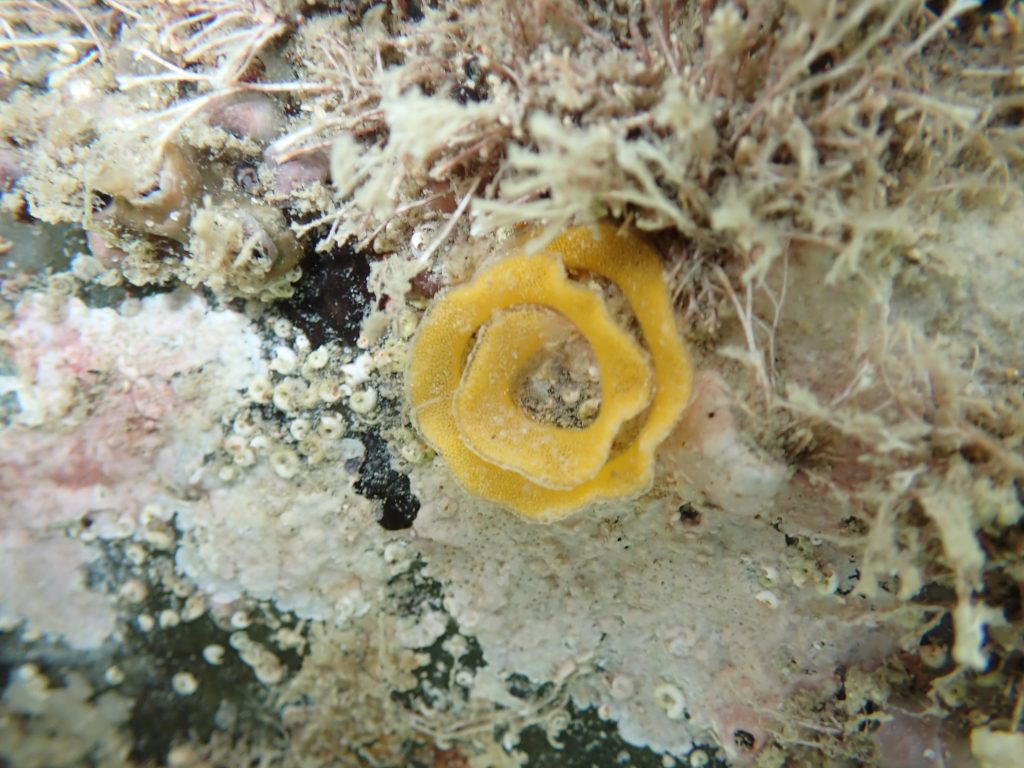
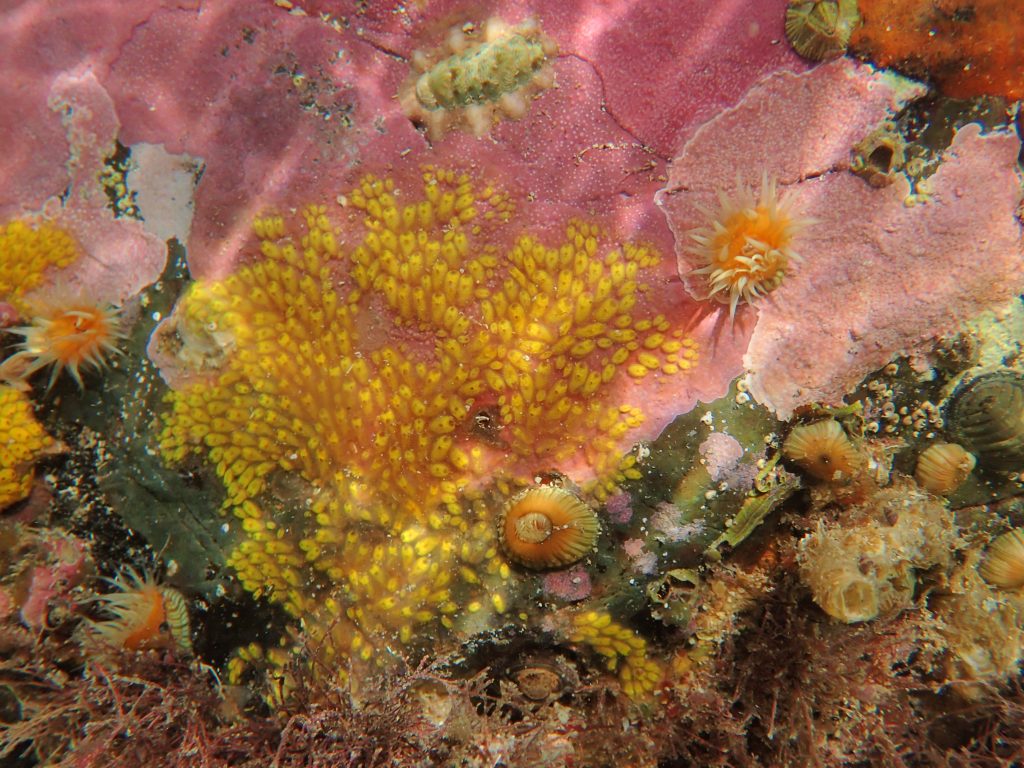
I also found another colony of jewel anemones, and visited my usual jewel anemone spot for a catch up.
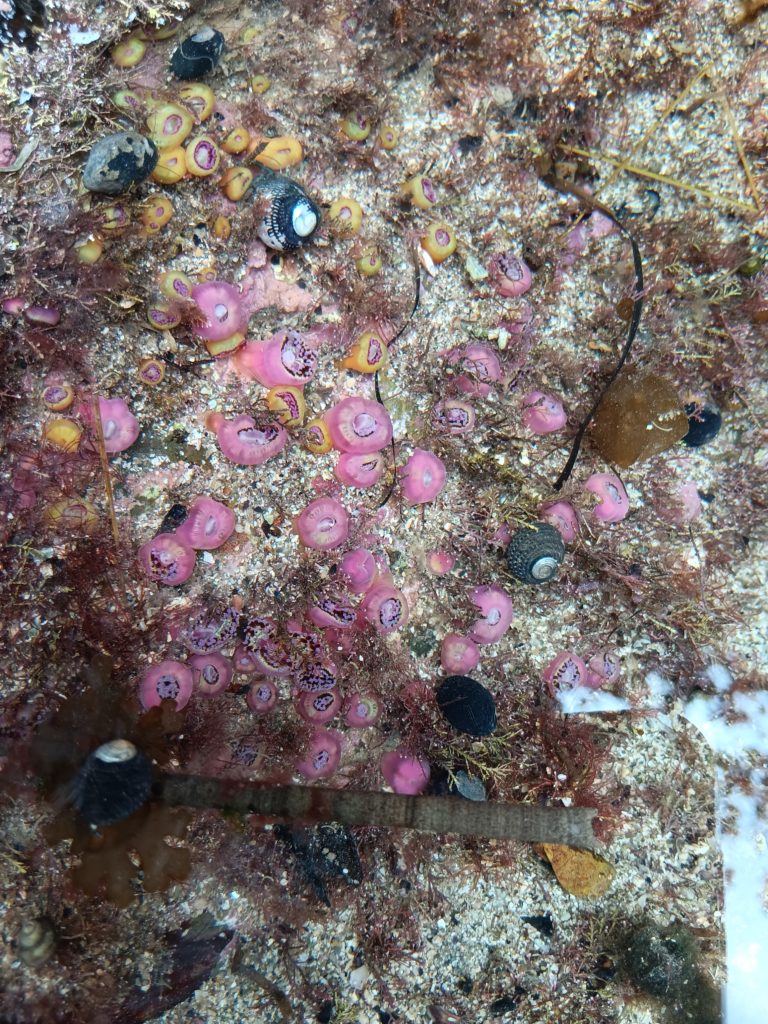
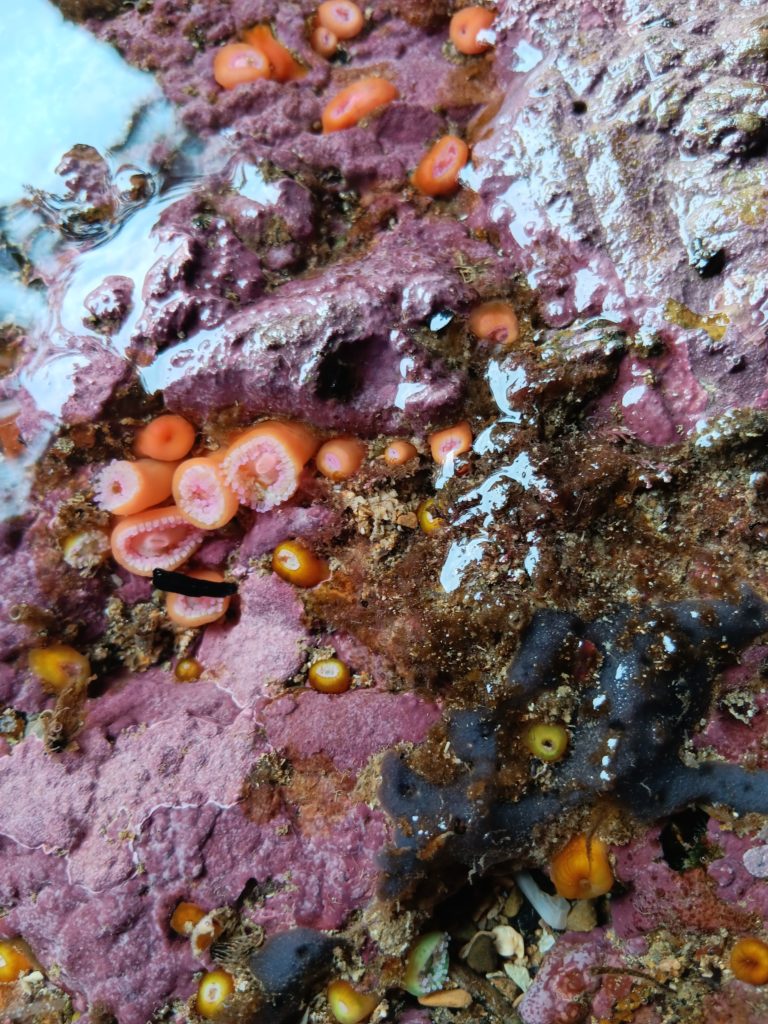
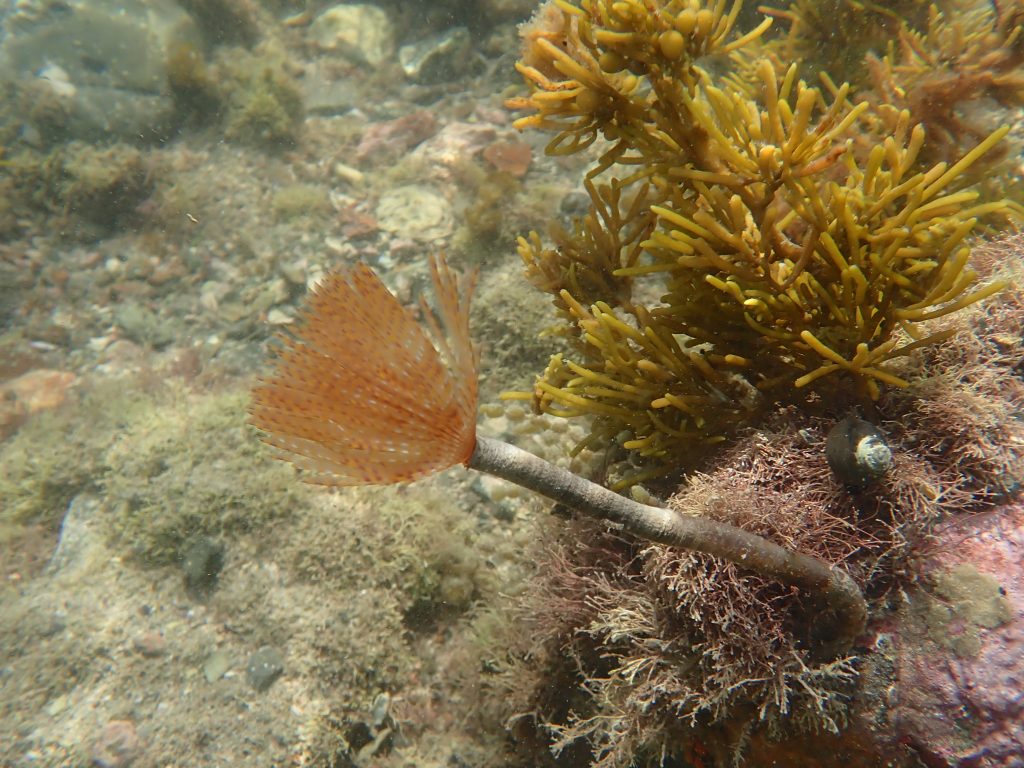
A previously unseen colony! With mediterranean fan worm, alas.
Familiar anemone faces in the tiny sea cave..
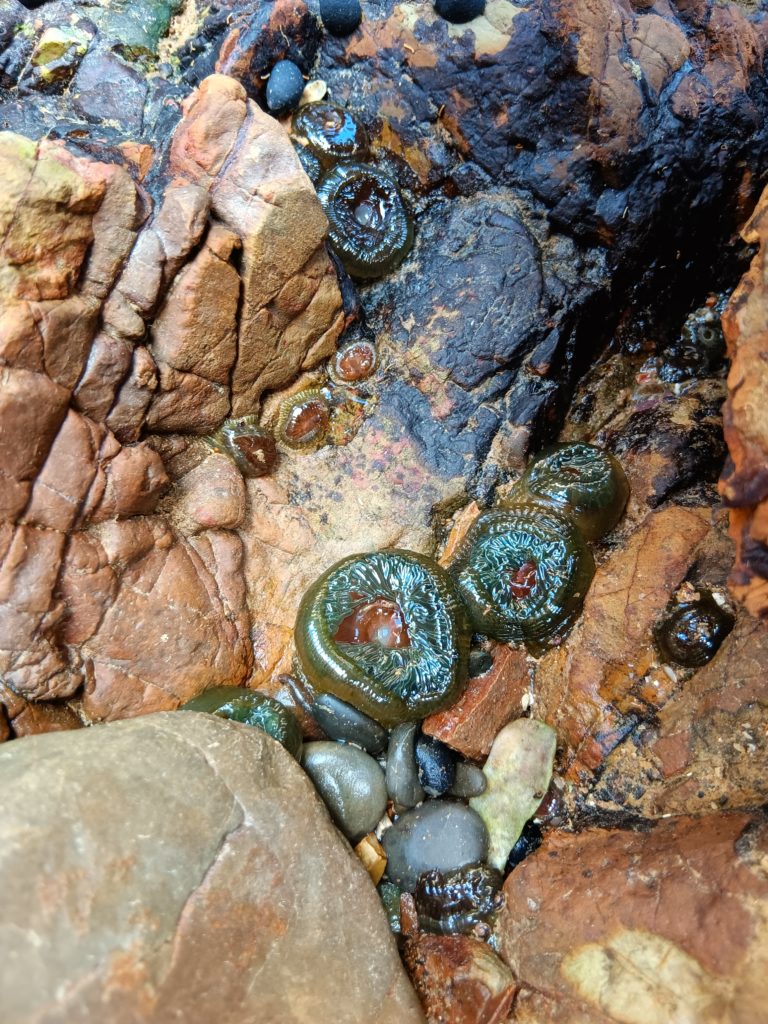
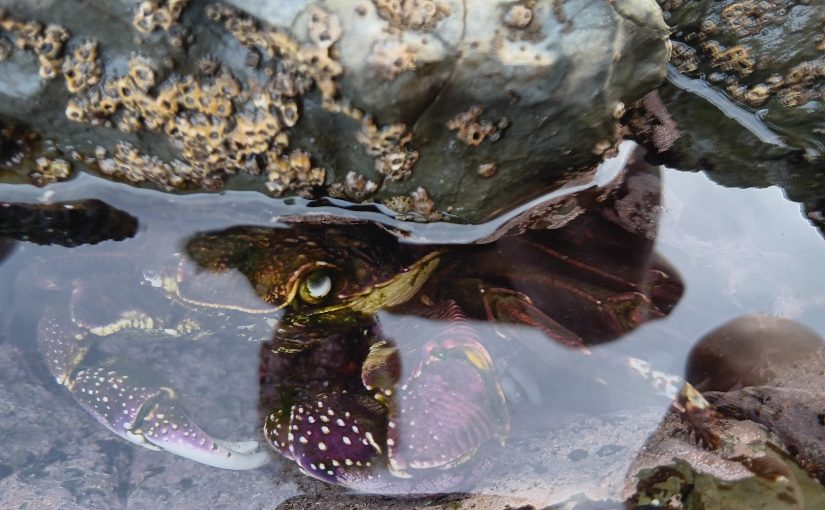
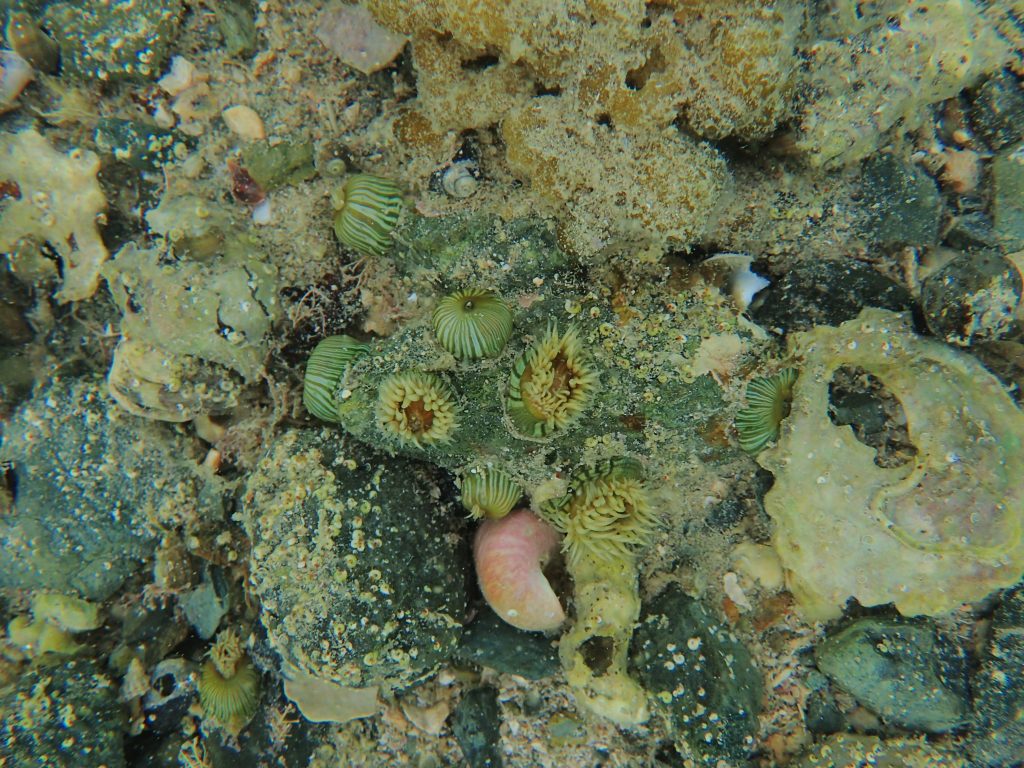
A group of big olive anemones occupying a space previously inhabited by a very angry purple crab.

I noticed several patches of black mussels with have taken hold around the coastline of Rakino, which is excellent news and may be of interest to the ‘Revive our Gulf’ team.
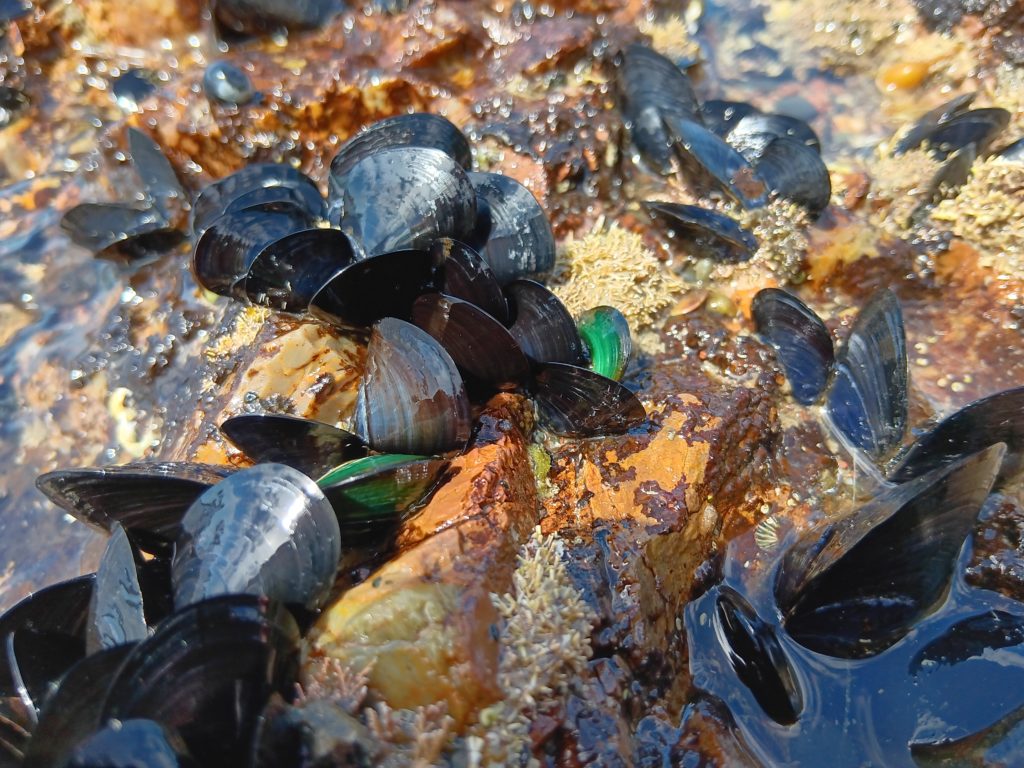
Mussels regenerating.

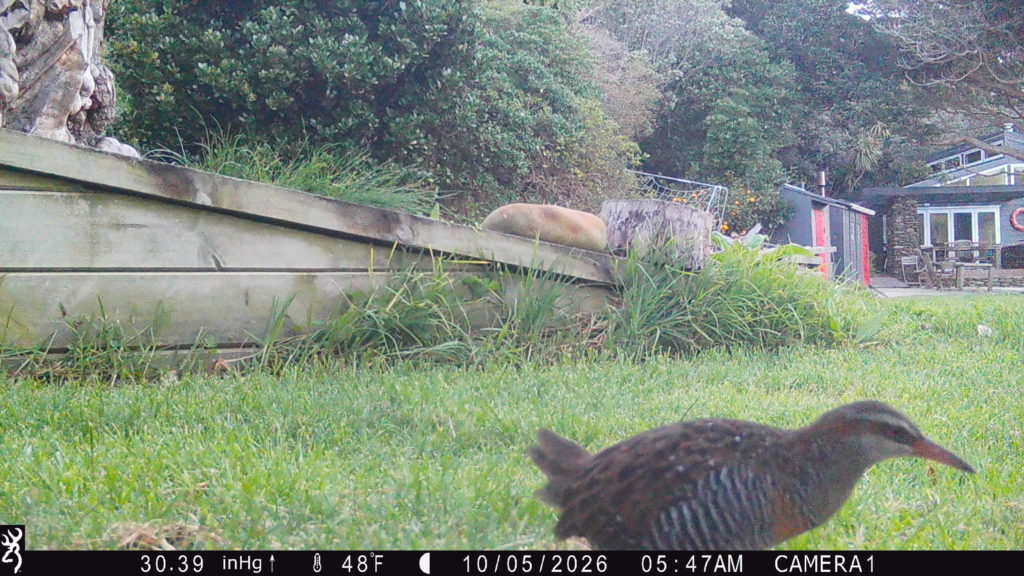
Finally, the kororā reappeared on penguin cam, along with a banded rail.
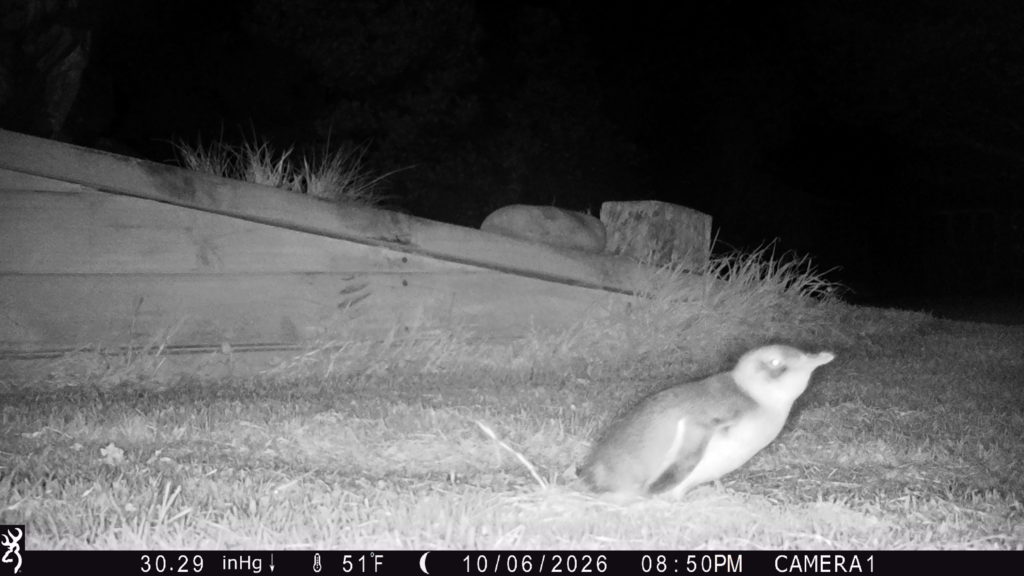
Kororā snapped on penguin cam.
A banded rail!

The snorks were interspersed with catching up with friends, and another successful market day. Thank you to all who turned up, Bert the sausage sizzler, and everyone who purveyed their market day wares. It’s a great social occasion, a good opportunity to catch up with other islanders, and a chance to buy a democracy sausage post-RRA election, if that’s your bag. Money raised goes to charity, and/or funding for environmental project
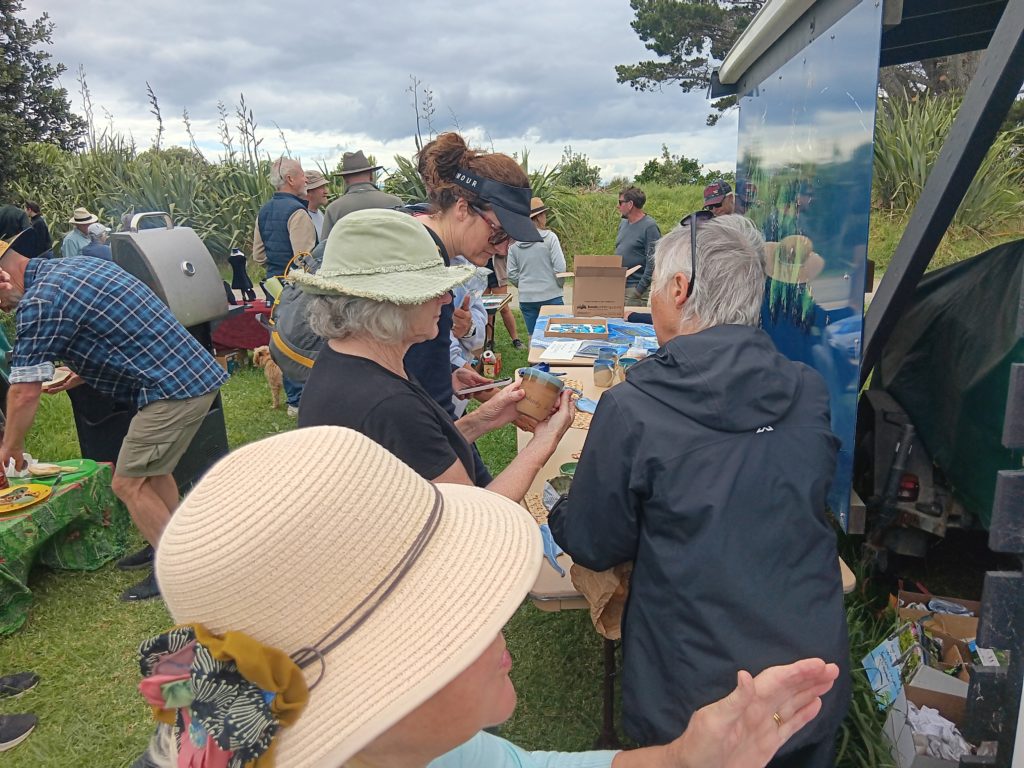
Market day!

Last but not at all least, PLEASE make a submission on the Rakino Hall proposal. https://akhaveyoursay.aucklandcouncil.govt.nz/rakino-hall

It’s not important that you all sing from the same song sheet with regard to the replacement hall; it’s just important that you sing. The council needs to hear a range of views and opinions, not just those sanctioned by people who want you to sing to their tune. That’s why it’s finally been put it out to consultation with all of us and not just a self-selected few.

It’s regretful we didn’t get the opportunity to meet with our democratically elected representatives from Waiheke Local Board when they visited Rakino earlier in the year as it would have been a good opportunity to get facts direct instead of filtered through secondary parties.

Remember, we don’t holiday in a dictatorship and your ideas matter, so I urge everyone to have their say on the proposed hall design and location. Despite what you may have been told, it’s not a fait accompli.

You have till November 6th, and submitting your views can take as long or as little as you choose. 🙂
June 2026 Snorkel

A few images taken from a recent wintery snorkel undertaken with Elisabeth, made so much more bearable wearing a hood, generously supplied by Natalie. The underwater camera purchased with a grant from Waiheke Local Board continues to prove itself invaluable for collecting images of the rocky reef.

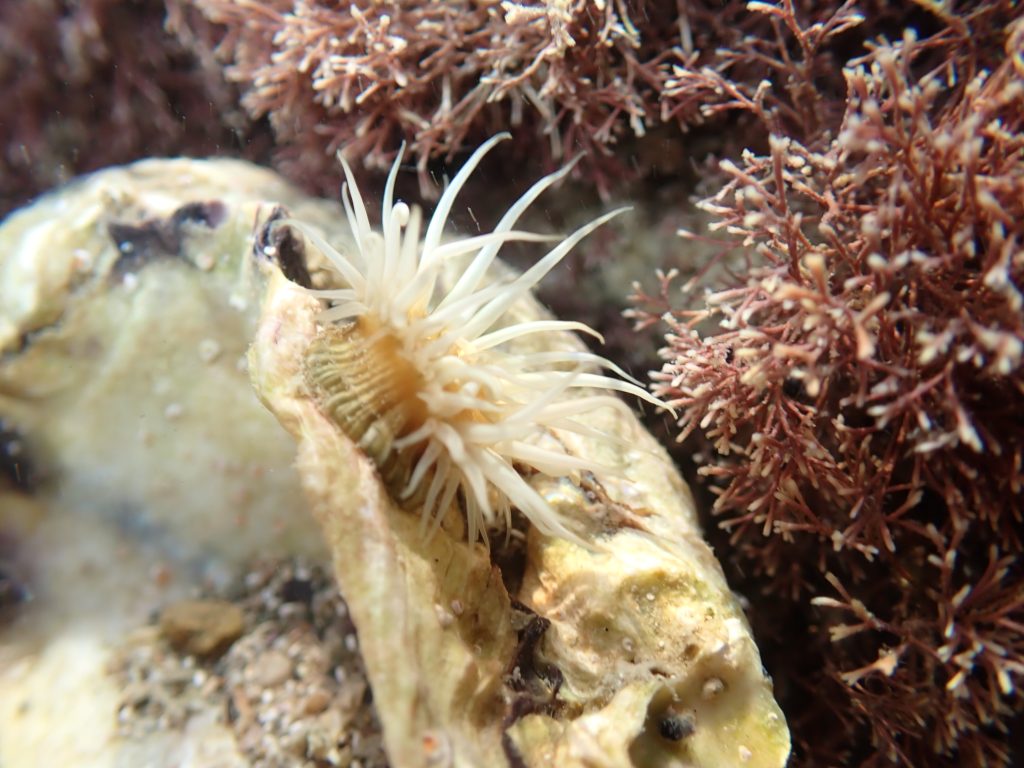
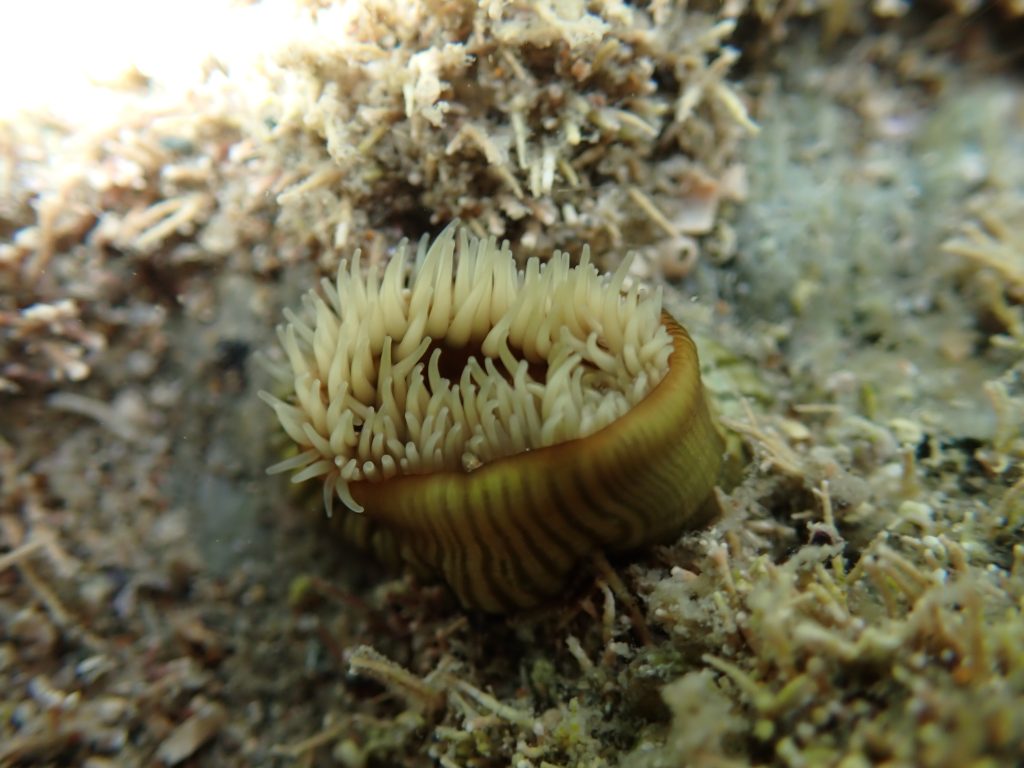
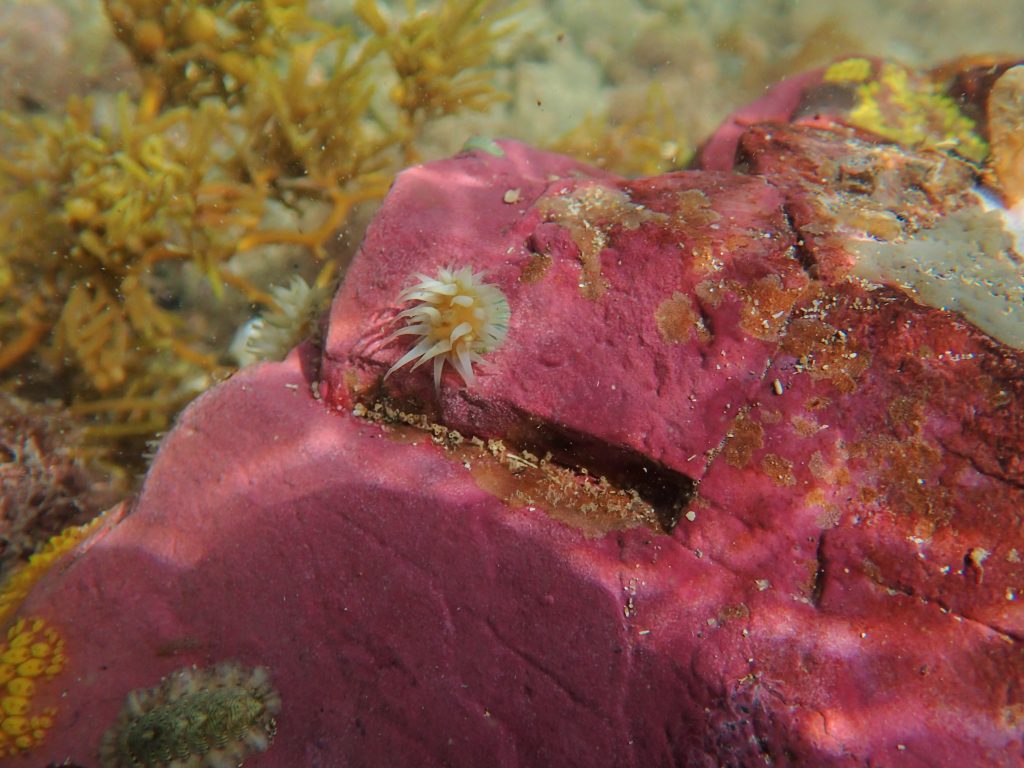
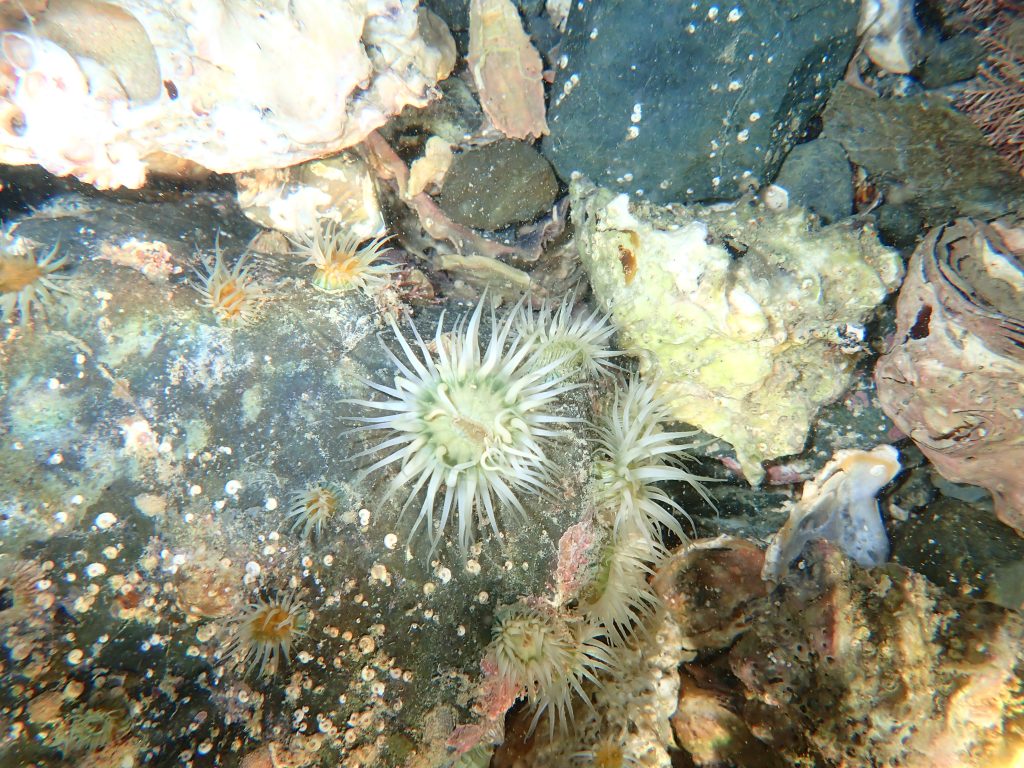
Plentiful white-striped sea anemones in the rock pool.
Close up..
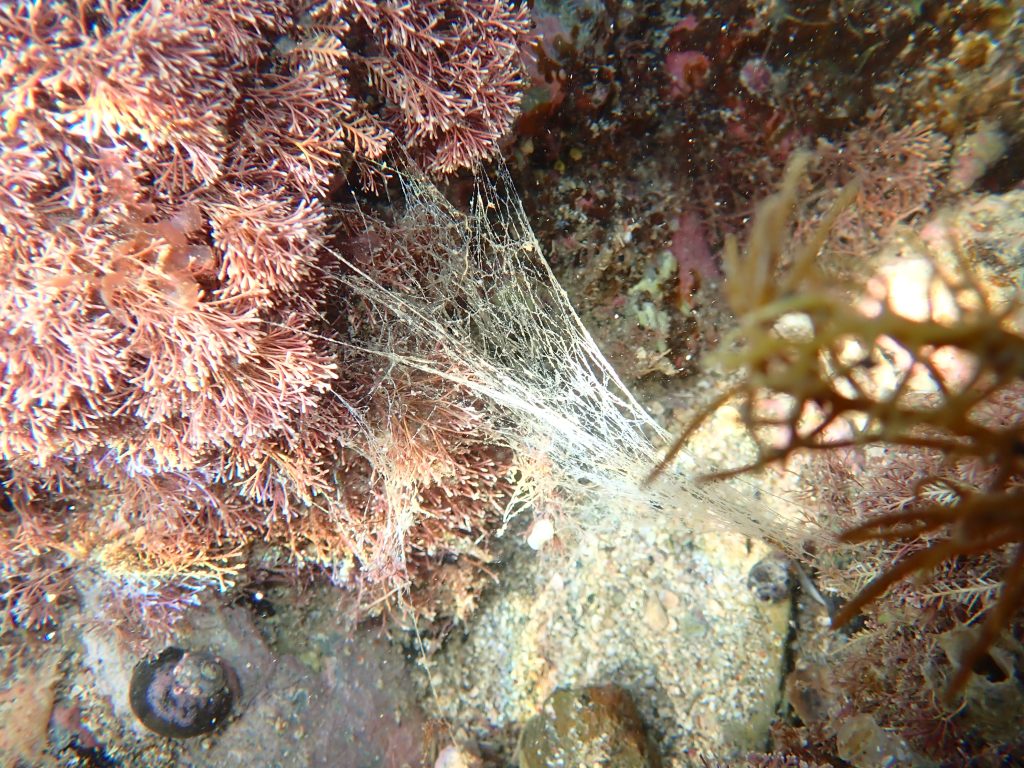
Mucus web made by polychaete worms.
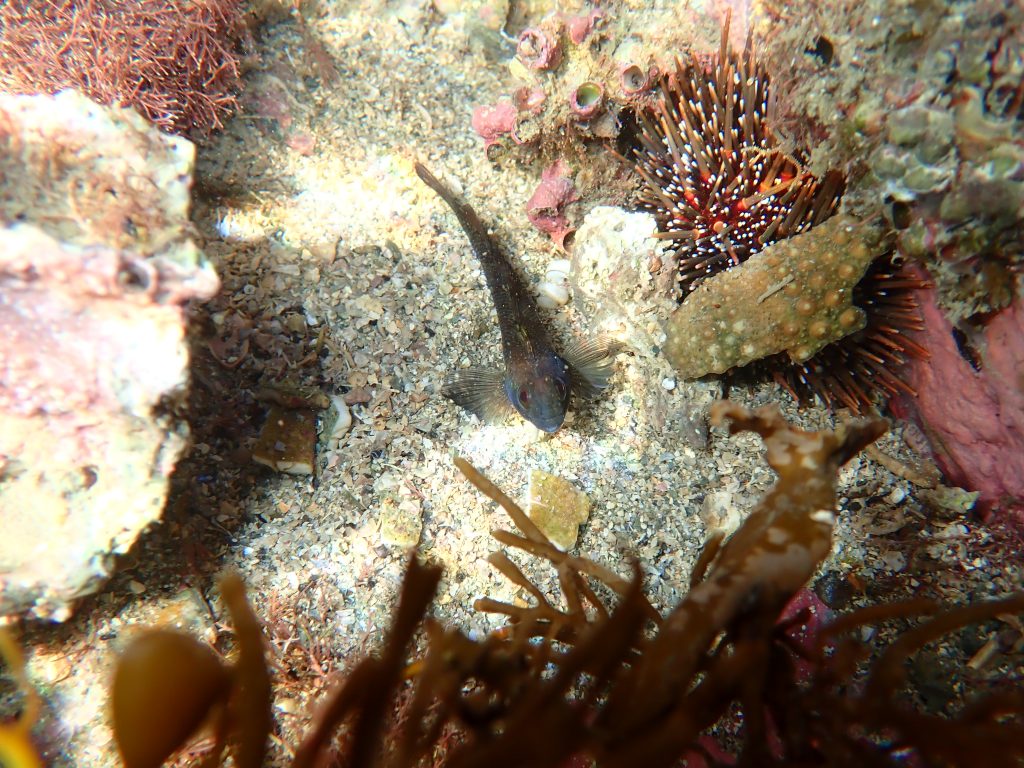
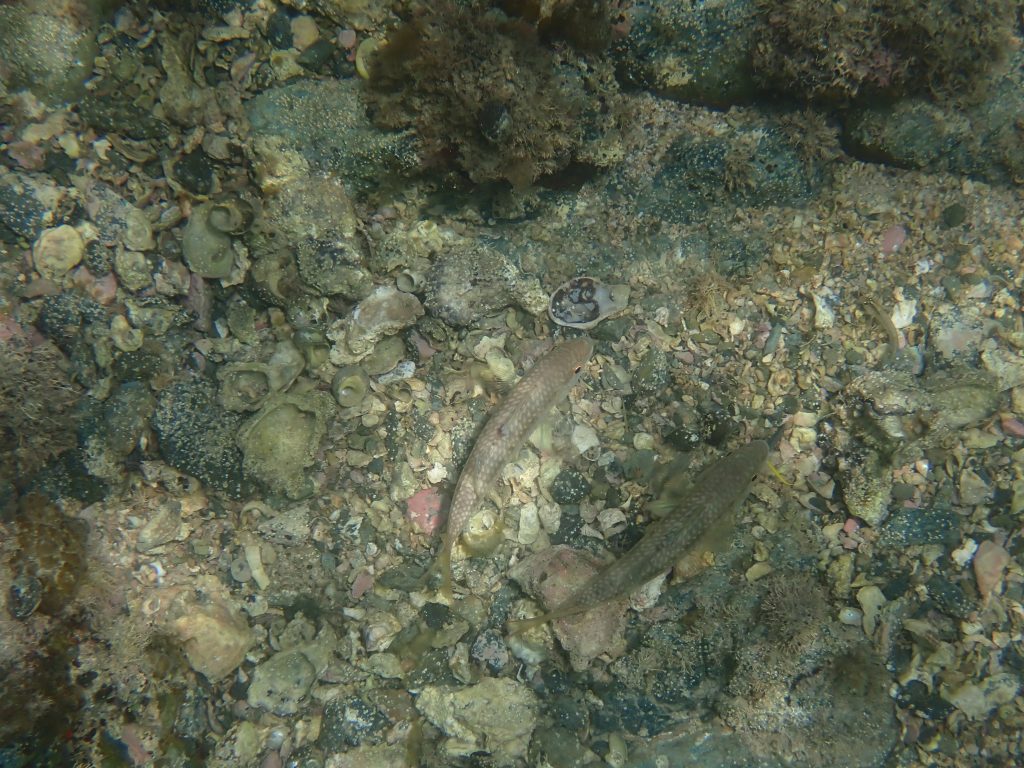
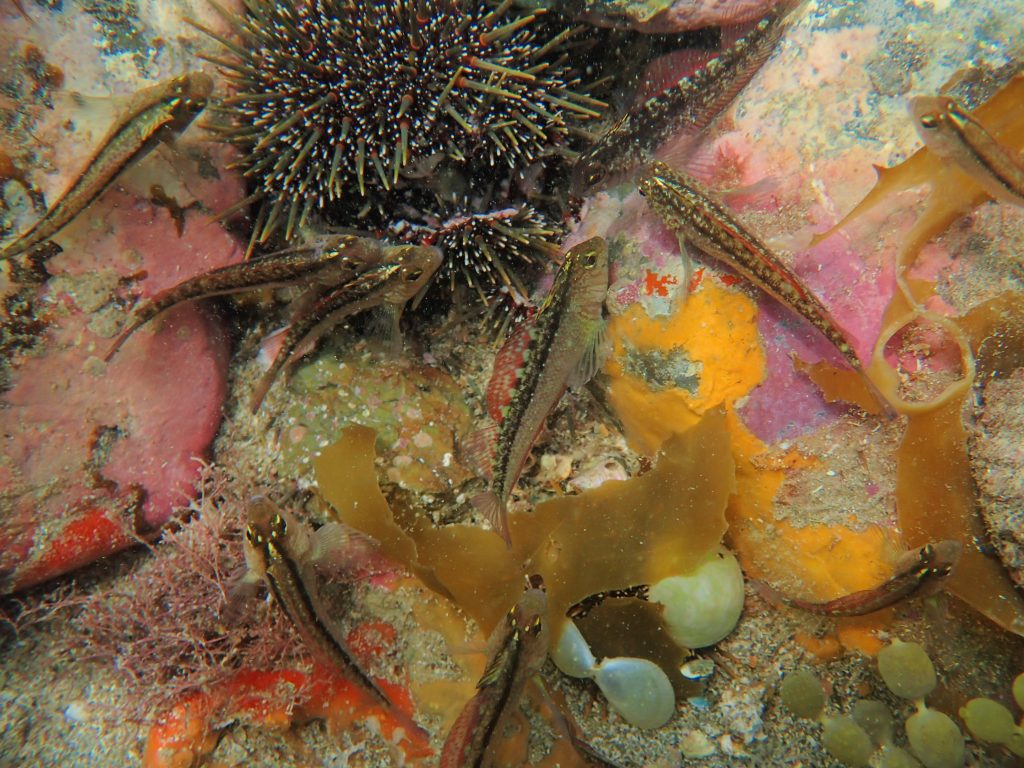
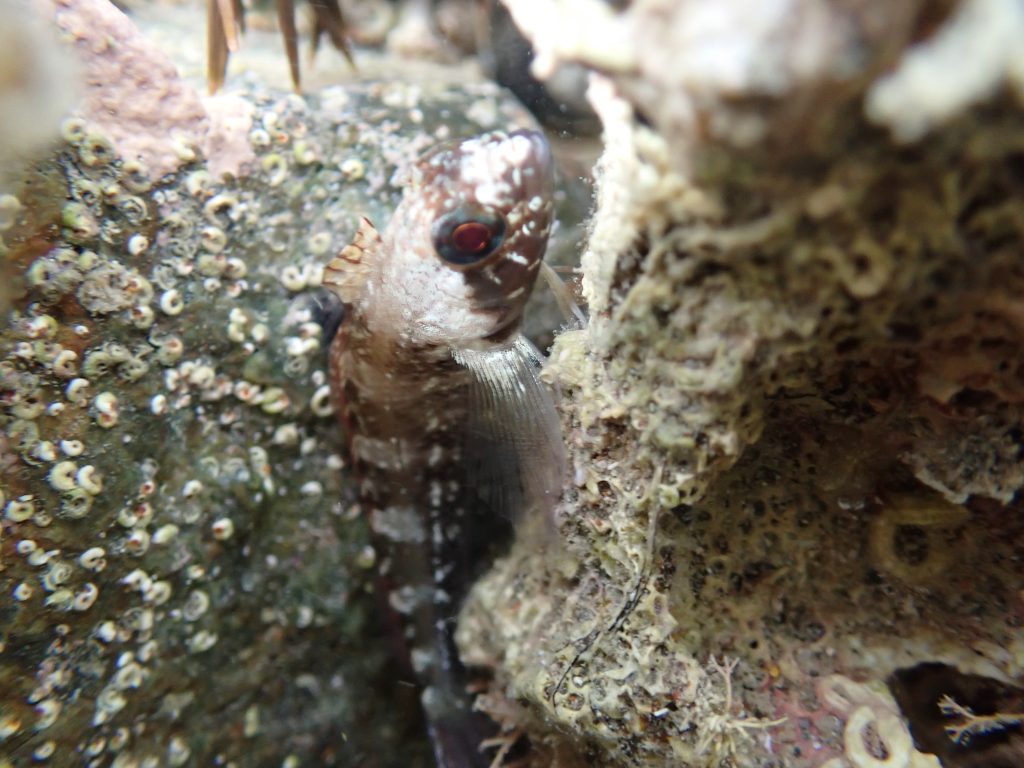
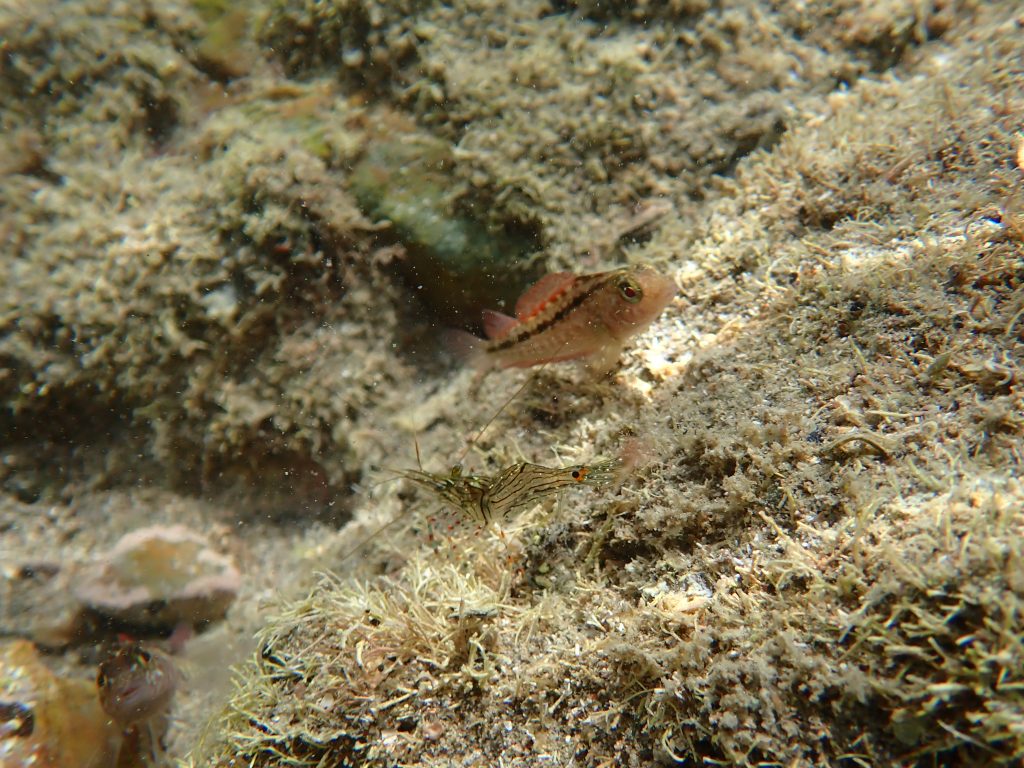
Triplefin eyeing me up.
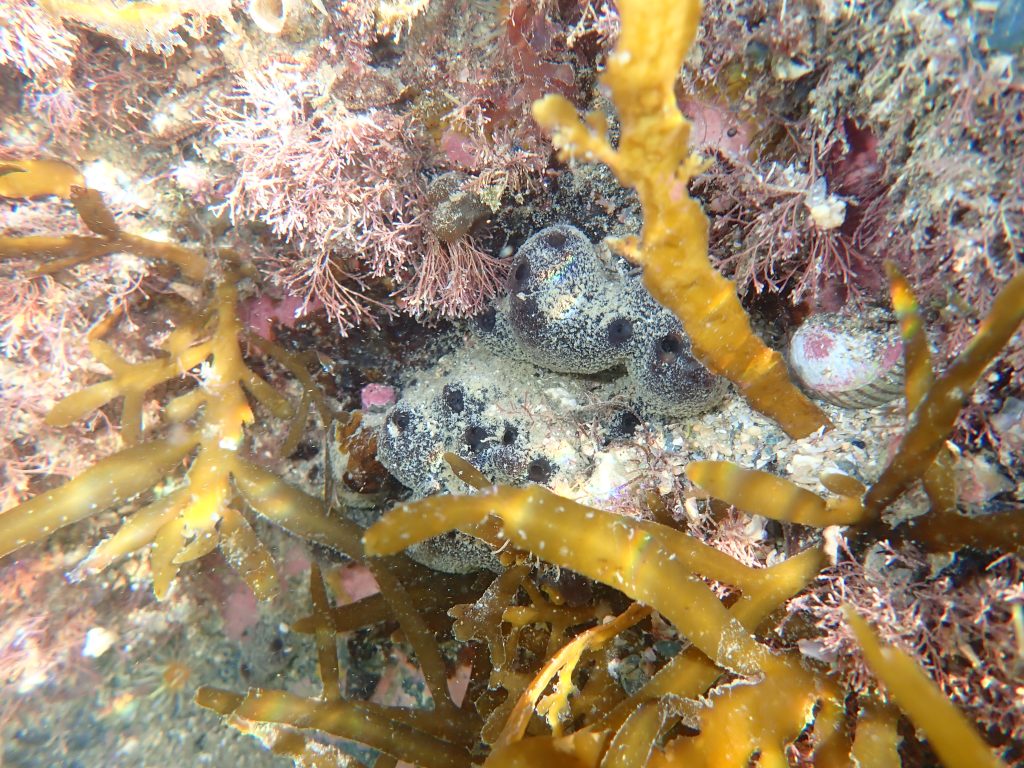
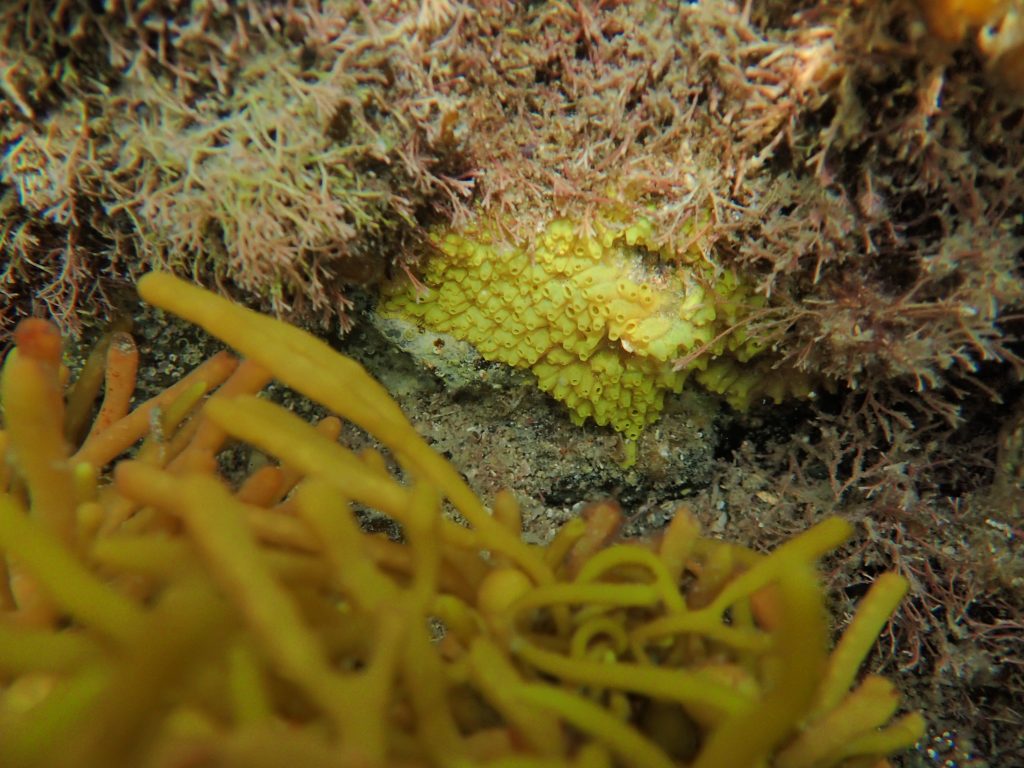
One of the many sponge varieties seen in MGB.
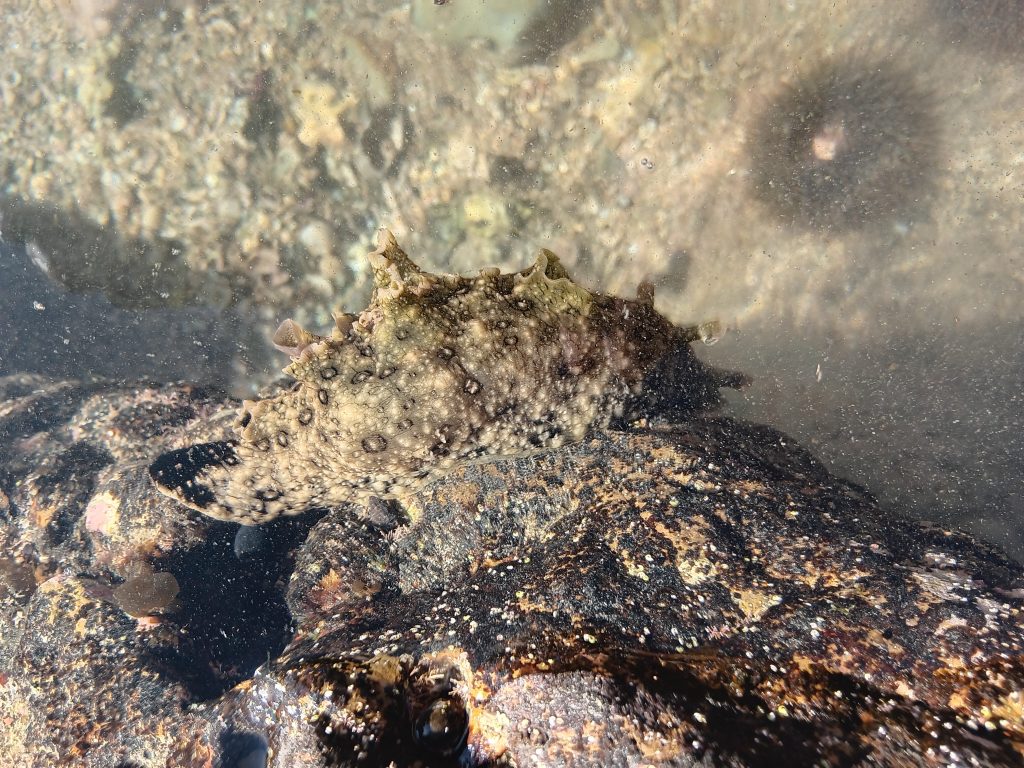
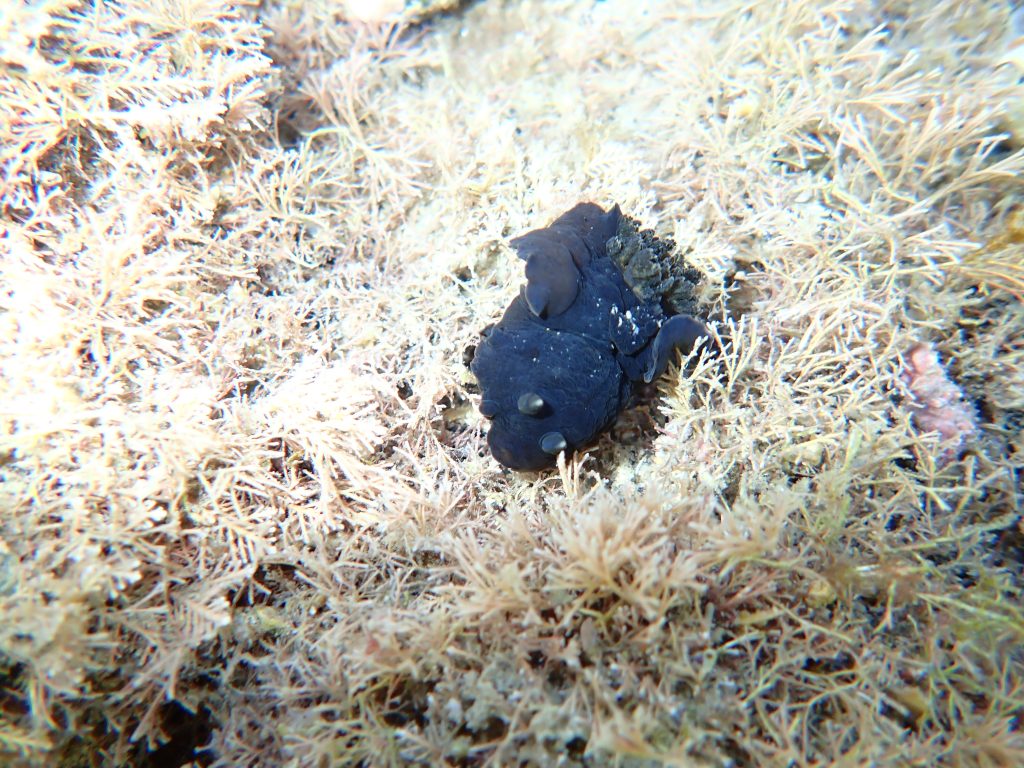
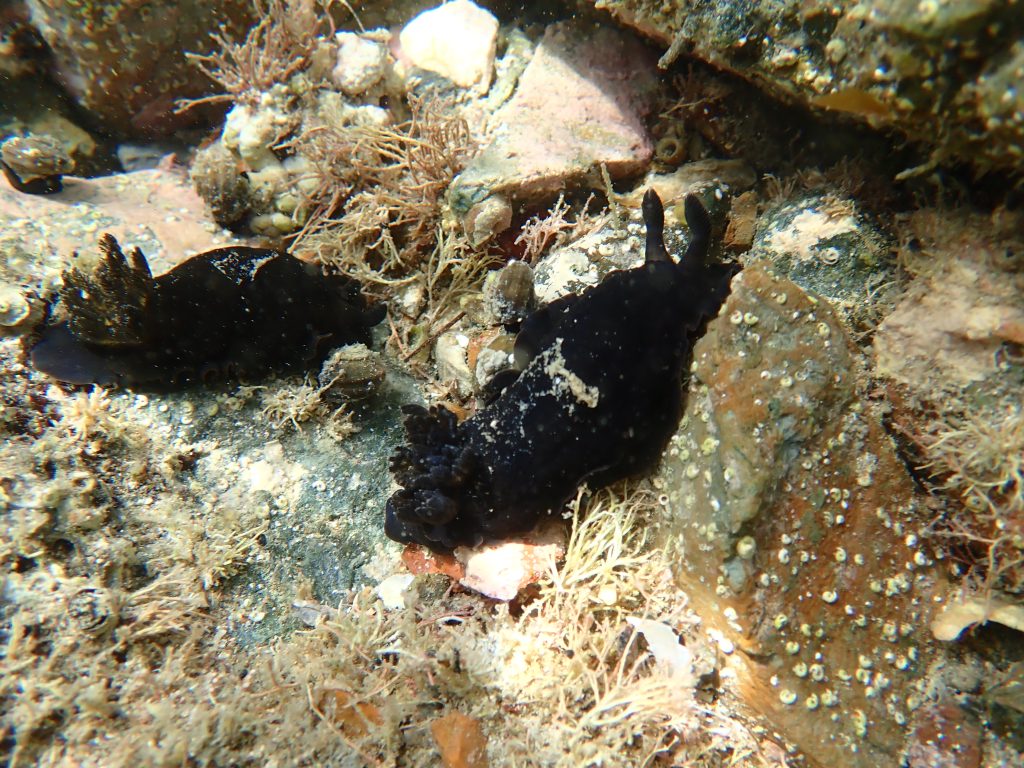
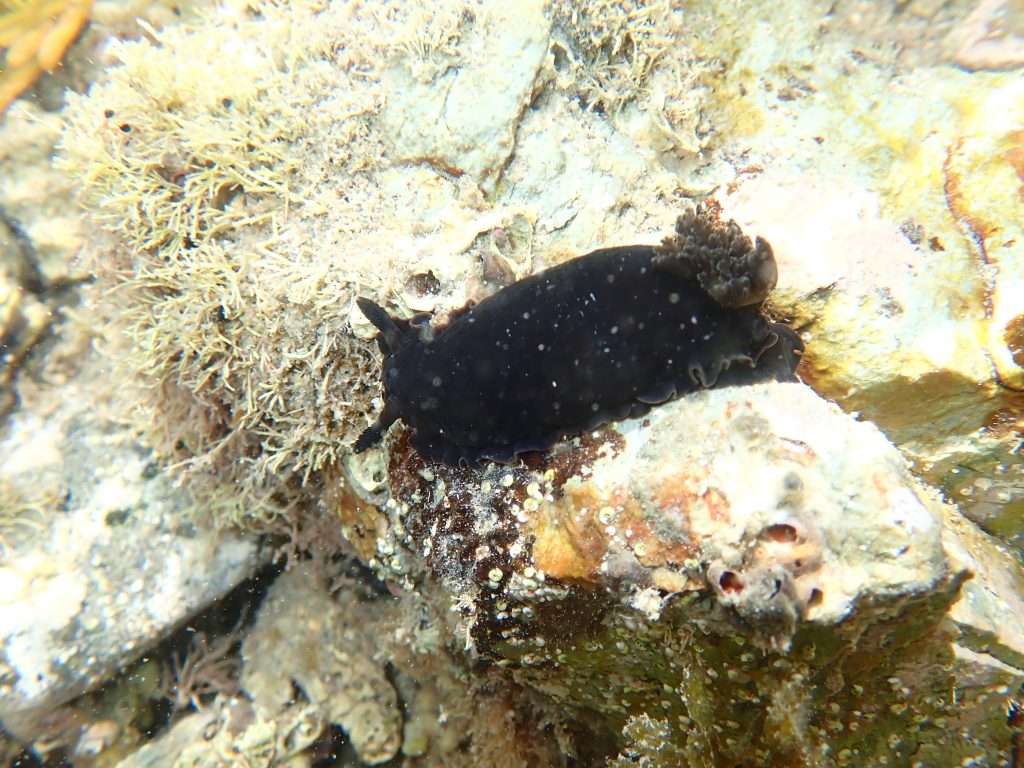
My favourite! White speckled sea hare.
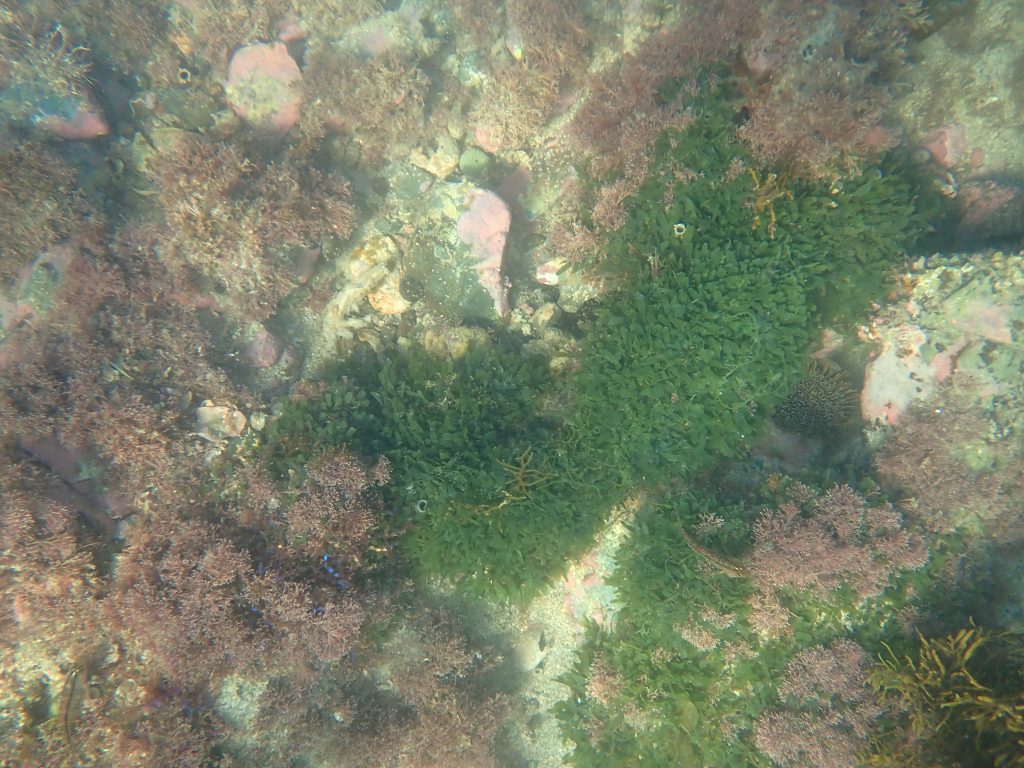
Caulerpa. Bugger!!
Snap gang! Water was a bit murky.

Easter Weekend 2026 on Rakino

It was a busy Easter Weekend; so busy I’ve only just found time to upload photos and document it!

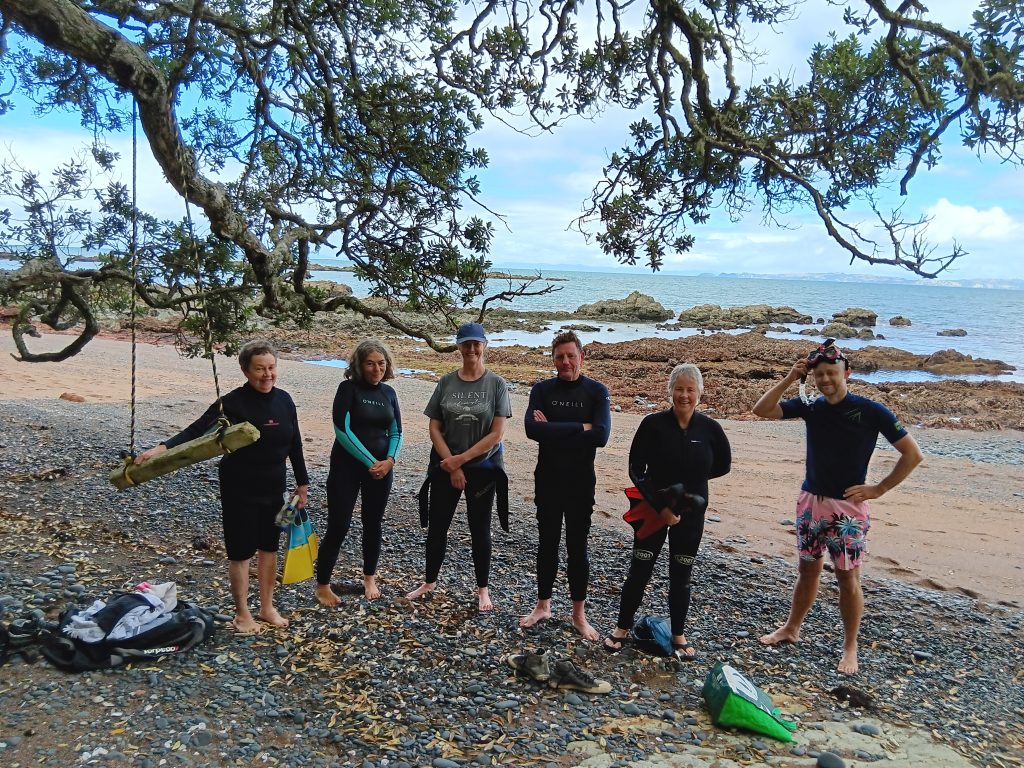
There was always going to be snorkeling, so putting an Ecofest overlay on it was no hardship. Friends from Auckland Debs and Andrew were anchored in Woody Bay so we press-ganged them into a snorkel, along with Sharon, and Sam. The water did not have the best clarity, but it was good to get in a late season snork. Sam impressed with no wetsuit… I didn’t manage to get any good photos from the event due to poor water clarity.
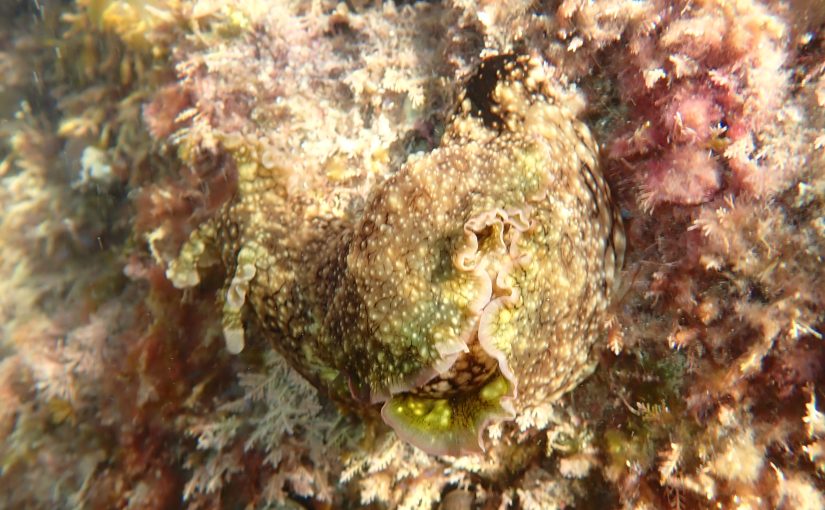
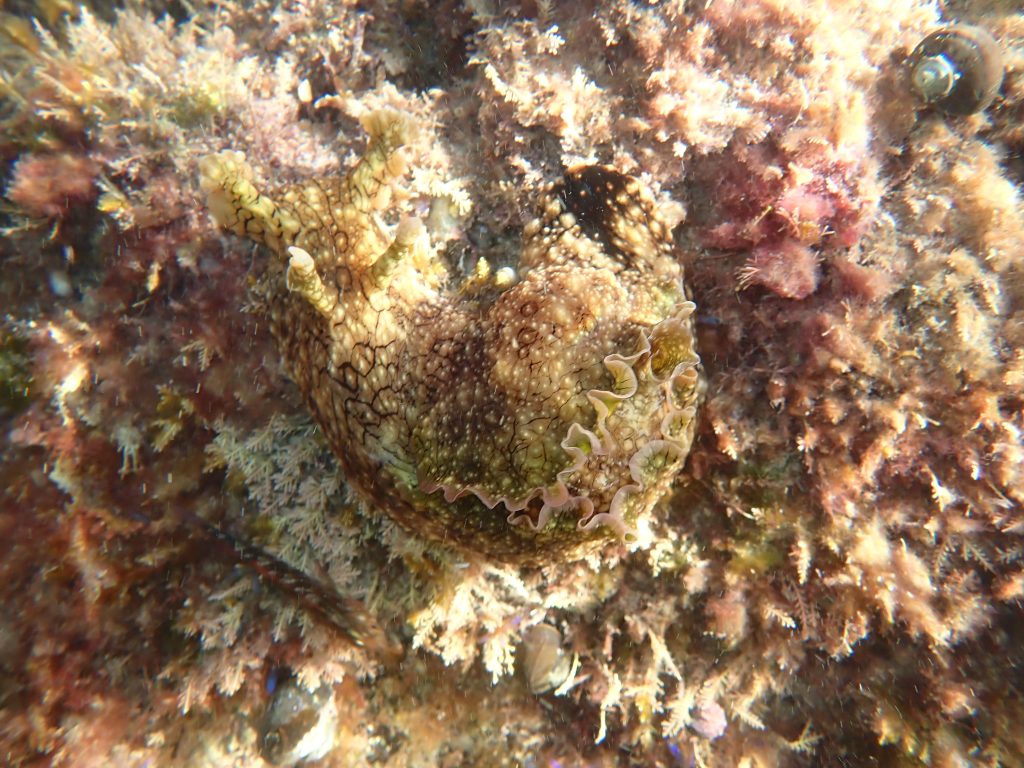
I did manage to get some good shots a month later in early May however; it seemed to be the season for seahares, and there was a particularly handsome white speckled seahare perambulating around in the hiwihiwi grotto…

We also had a fantastically successful Easter market day sheltering behind the fire shed, which was a great venue. I comprehensively failed to get any photos, but can report that heaps of Rakino-ites turned up, and plenty of money was raised for Westpac Rescue Helicopter Trust, and marine conservation. Many thanks to Natalie who organised the event.

Snorks 2!

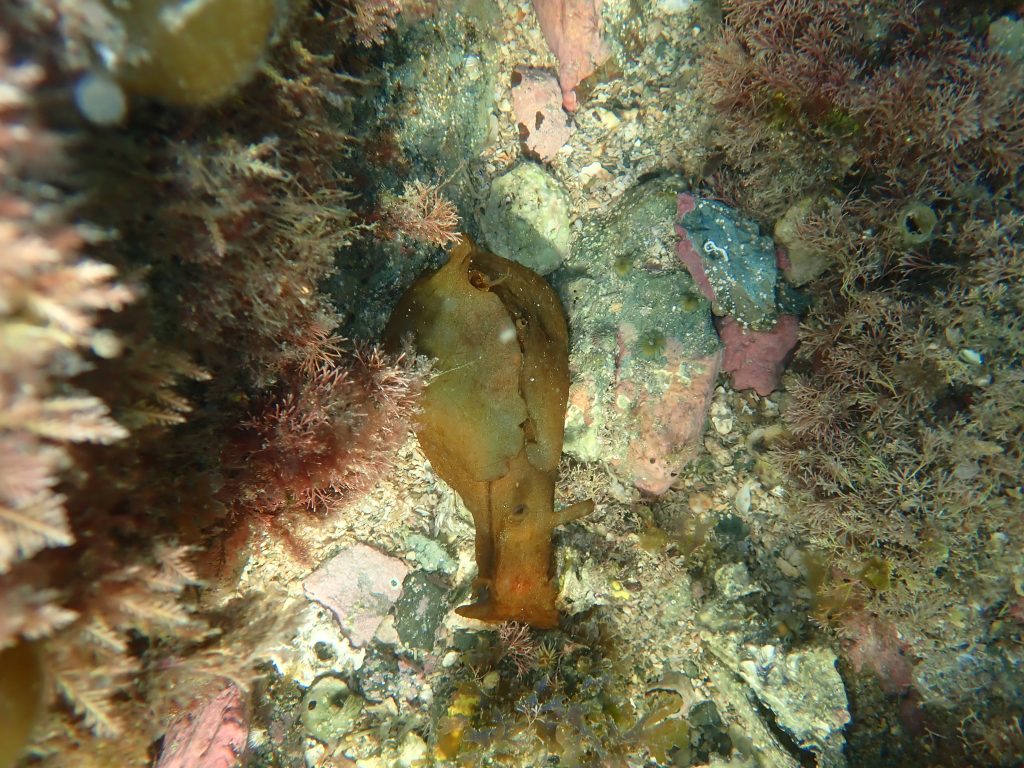
Four more days of recent snorkeling on Rakino Island.. Other critters seen but not photographed, (or not photographed well!) an eagle ray, and a leatherjacket. I’m determined to get a better image of the hiwihiwi next time.

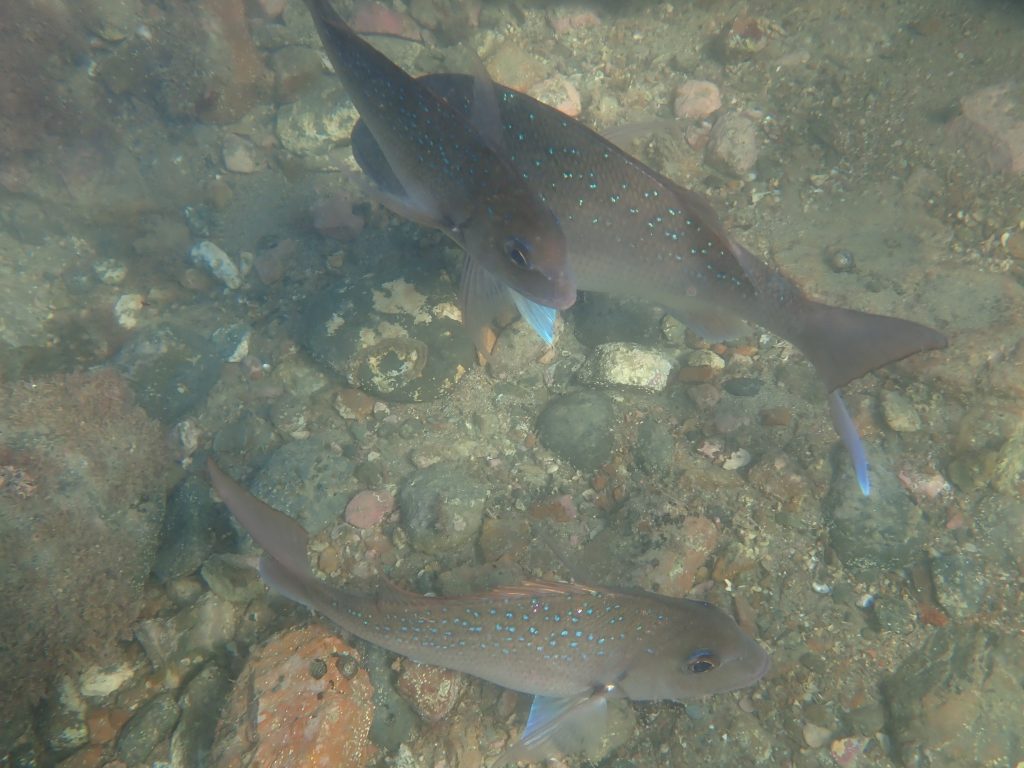
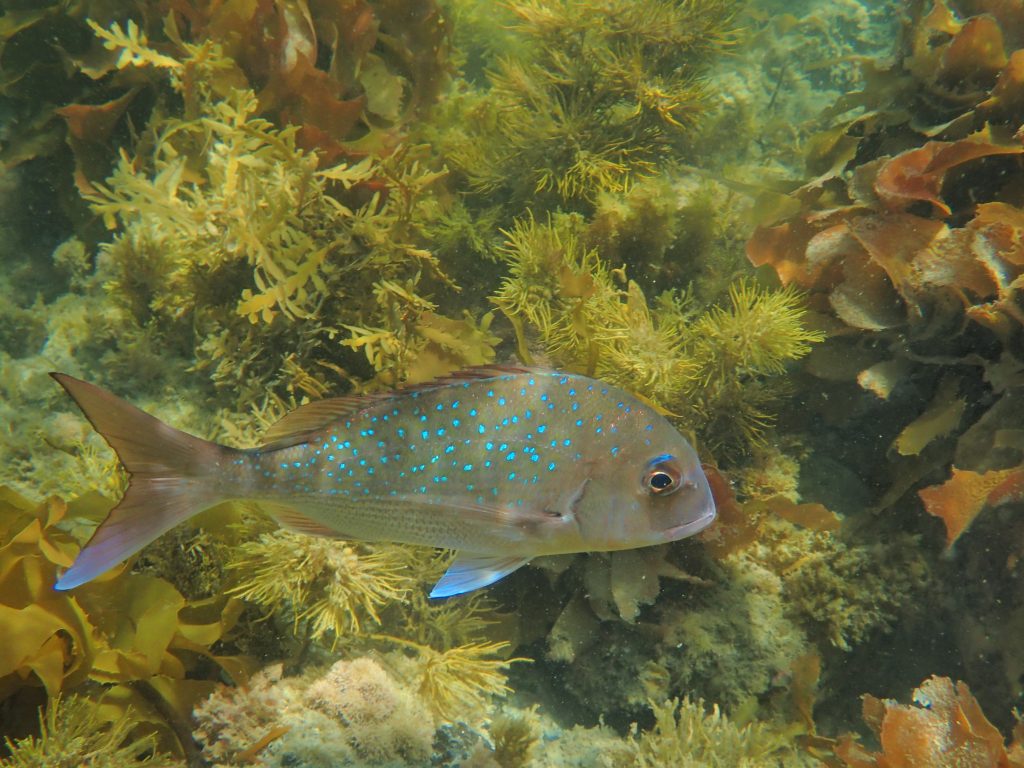
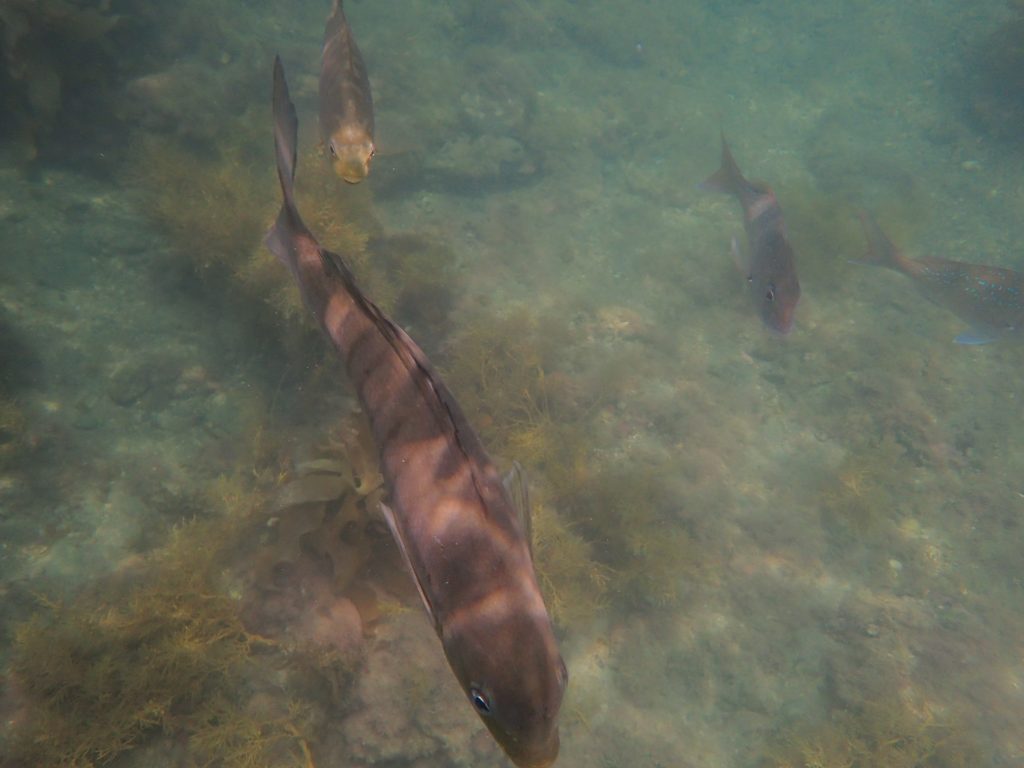
You won’t see much in the way of pictures of snapper here, not because there aren’t juvenile snapper in the rocky reef zone, but because they aren’t an indicator of reef health. We’re more interested in the diversity of other species, and I’m especially interested in the uncharismatic little guys; the chiton, limpets, and dorids. What we’ve seen over the last few weeks of snorkeling is that the reef area isn’t too horrible; the steady decline of the Hauraki Gulf has been relentlessly documented for a long time and now maybe it’s time to start to try and tell a more positive story.

The addition of the High Protection Area at the Noises potentially marks a turning point for the eastern Rakino reef and coastal areas. The worst case scenario would be to see a line of recreational fishers sitting in their boats just off the edge of the HPA between Rakino and The Noises.

I’m hopeful that we’ll see even more diversity in the next few years instead, and maybe one day an extension of the HPA over to the Rakino coastline. Regardless, we’ll continue to document the changes.

Snorks!

Images of some recent snorkeling in the rocky reefs of Rakino. Many, many thanks to the Waiheke Local Board for funding the underwater camera so we can continue to document the flora and fauna of underwater Rakino.